
Hail Damage Roof Repair in Euless, TX
A hail-damage read starts on the roof, not the driveway. A local roofer dates each slope to the storm that struck the Mid-Cities, then documents the damage for your claim.
- The scope and cost written down first
- Claim paperwork explained in plain English
- No sales pitch at the door
Call (817) 318-7069
When one afternoon hits the whole area
There is a reason the area's last big hail day still comes up here. In one afternoon, 2.75-inch hail, roughly baseball-size, fell across Euless, Bedford, and Hurst at once. A stone that size dents the mat under the granules, so a shingle reads as fine from the yard while the bruise sits quiet until a leak shows.
So a hail repair here does not begin with a driveway quote. A local roofer climbs each slope, marks every bruise and wind-split seal, and matches it to the logged storm date, so the damage is proven, not argued. Where hail is the cause, that read is what the insurance claim leans on.
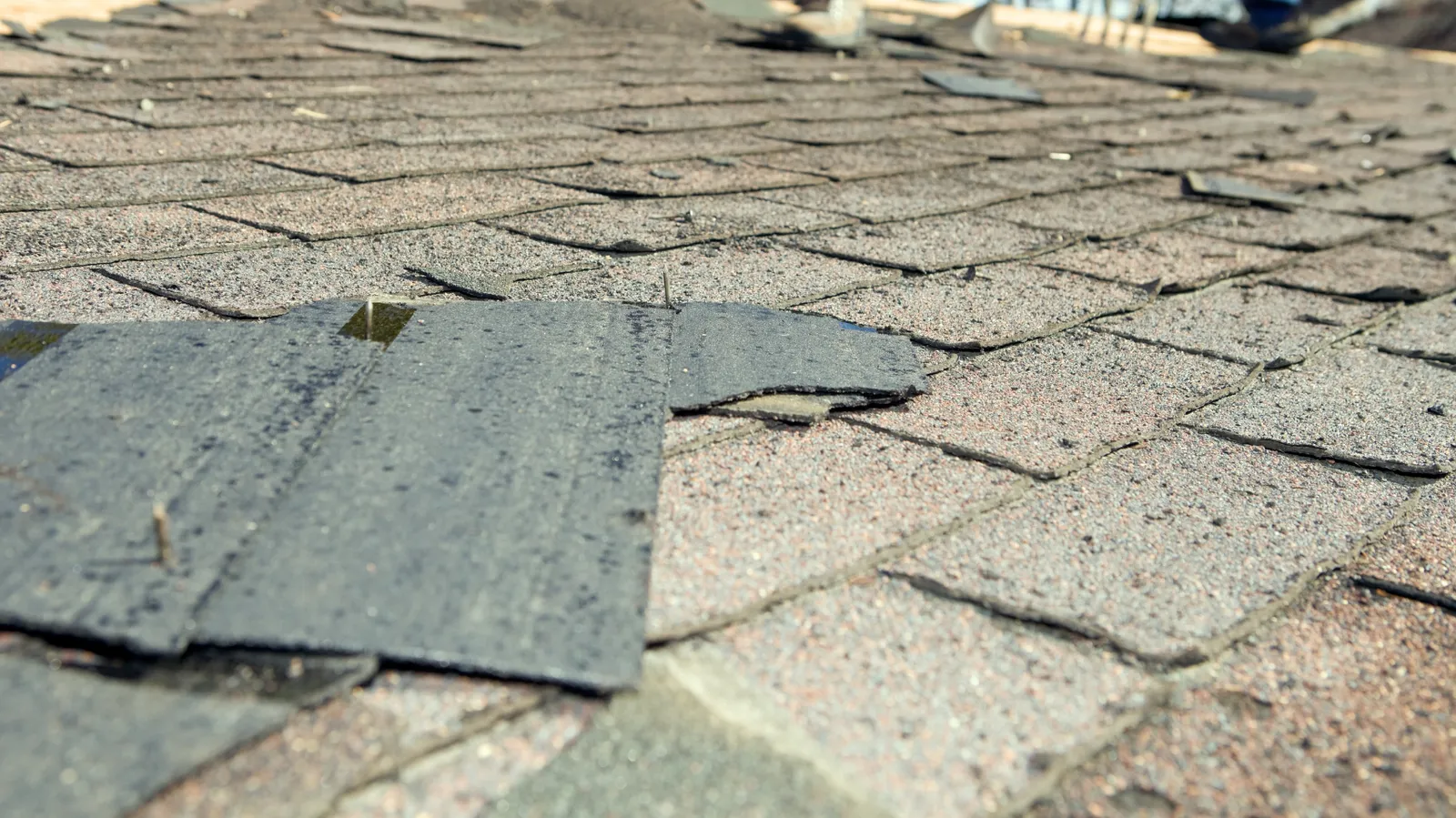
What our roofers mark after a hail day
The four things logged and dated once baseball hail or a hard gust has crossed Euless.
- 01Soft bruises under the granules
- Round spots where a stone knocked the surface off and dented the mat beneath, the quiet injury that leaks later, marked one plane at a time rather than counted from the ground.
- 02Seals a gust pried open
- Where a hard wind cracked the sealant strip or lifted a run of tabs off the ridge, flagged even where a tab still lies flat when you look up from below. Tarrant County sees hard straight-line gusts too, so wind counts here, not just hail.
- 03Dents pressed into the soft metal
- Pocked gutters, dinged vent hoods, and bruised condenser fins that prove a stone actually struck and help fix the damage to one provable day on the county record.
- 04The map, tied to the storm date
- Every finding photographed, stamped, and squared against the logged hail day, so the proof is built well before an adjuster ever reaches for a ladder.
That file is what a fair claim stands on. For where ordinary wear ends and hail begins, the storm damage guide walks it through, and a free inspection checks your roof against the county log.
From first slope to a filed claim
Read every plane, tie each finding to the real storm, hand over the file, then mend only what the hail hurt.
Every plane, read on foot
Plane by plane, a local roofer follows the bruising and the wind-torn runs, shooting a photo of each, since the marks that settle a repair rarely read from the ground below.
A date matched to the storm
Each photo is stamped and lined up with the Tarrant County hail record, since a loss date that matches a logged storm is what keeps any claim behind the repair on solid ground.
The file, handed to you
What lands in your hands is the dated record plus a clear call on whether a targeted repair or a full replacement is the right road, and a local roofer can stand with you on the roof the day your adjuster comes out.
A fix held to the damage
Only the shingles the storm actually harmed get replaced, matched to the existing roof, so the intact slopes stay untouched and your bill covers the genuine repair with nothing inflated onto it.
After a hail day, what to look for
The signs worth a closer look once the storm has moved off.
- Dented vent hoods, a hail-pocked AC unit, and dinged gutter aprons out back
- Dull, bruised dimples on shingles that otherwise look fine from the curb
- Loose grit and granules piling in the gutter troughs and streaking the drive below
- Gutters brimming over or pulling off the fascia after the cell pushed through
- Chimney and valley flashing dinged or knocked crooked where the stones landed
Almost none of this reads from the driveway, so a documented inspection is worth the hour after a hard hail day, even on a roof that still looks sound. If water is already getting in, take pictures before anything else, then get a tarp on; temporary protection is something carriers require and repay.
Does this hail buy a repair or a new roof?
Hail rarely writes you a tidy repair bill. Scattered bruising on one slope can be a targeted fix you pay out of pocket, while damage spread across every plane, on a roof already carrying age, argues for a full replacement and usually a claim.
The honest figure waits on the read. Your roofer sets the repair number in writing once the slopes are documented, and if a claim is the smarter route, the dated file is what carries it. On older Euless roofs the age tips more of these toward replacement than owners expect, and the cost guide lays out the ranges.
See clear cost ranges- Bruising kept to one slope can be a targeted, out-of-pocket repair
- Granule loss across every plane leans toward a full replacement
- An older Euless roof has less hail left in reserve than it looks
- The written figure lands only after the slopes are read, so it holds
The county keeps the receipts on Euless hail
Euless sits in North Texas hail country, and Tarrant County logs damaging hail season after season, with the full tally on the storm-damage page; the corridor's last big hail day is one line in it.
The roofs here skew mature, so an older field has less margin against a hard hit. A roofer who works these roofs logs each bruise plane by plane, and if hail keeps finding yours, a shingle built to take a hit can trim your insurance too.
- 01The exposure is on the record
- Tarrant County's hail history is logged year after year, so the risk is documented, not argued.
- 02One afternoon, the whole Mid-Cities
- On May 27, 2024, baseball hail fell on Euless, Bedford, and Hurst together, so the date is easy to pin.
Not sure the last hail even reached your roof? A free inspection checks it against the county log and gives you a clear answer, on your own schedule.
What to ask after a Tarrant County hail day
The questions that come up once the storm has moved through.
Q1The May 2024 storm hit my whole street. Does that help my claim?
Q2My roof is older. Will hail damage still be covered?
Q3How do I prove the hail date to my insurer?
Q4A roofer offered to cover my deductible. Good deal?
Q5The storm was months back and now there is a stain. Too late?
Q6Do I have to file a claim just to get the roof looked at?
Put your storm damage on record first
The wrong first move after hail is a quick patch that hides what the storm did. Start with a documented read instead, and a local roofer records every plane, dates it to the storm, and gives you the clear call between a repair, a replacement, and a claim. Nothing is pushed on you.