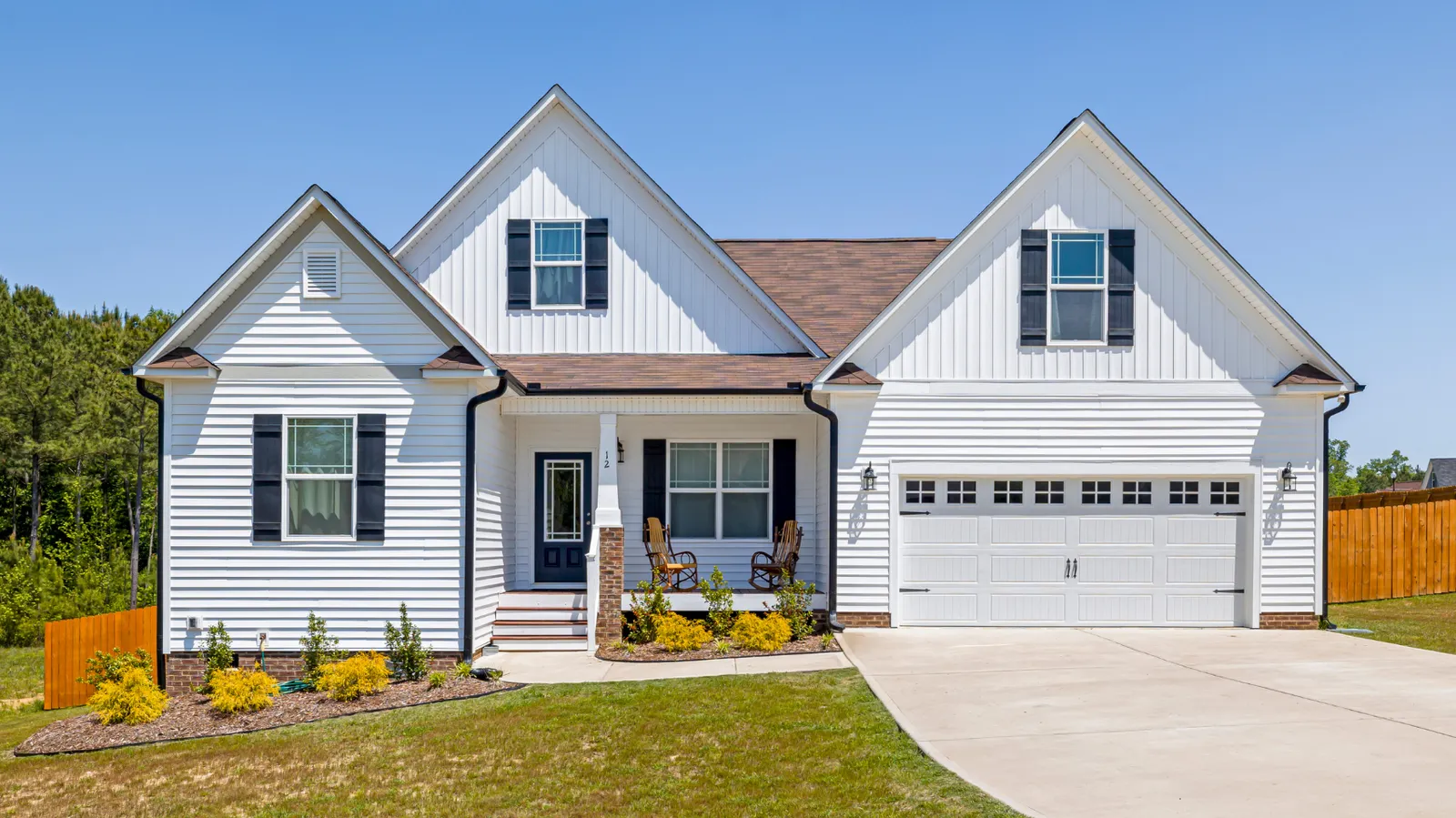
Roof Replacement in Euless, TX
Much of Euless was roofed decades ago, so here a replacement is often a roof simply run out of years. A local roofer writes the full spec, dated and detailed, before the tear-off begins.
- The scope and cost written down first
- Claim paperwork explained in plain English
- No sales pitch at the door
Call (817) 318-7069
On an aged-out Euless roof, the spec goes on paper before anything comes off
The 1960s and 70s ranch streets of Central Euless and the built-out blocks of Bear Creek went up generations ago, so a replacement here is usually a roof that has reached the end, not one cut short by a storm.
What makes it go right is a plan on paper before a shingle is pulled. A local roofer measures every plane, sets down the materials and sequence, and dates the whole spec. Whether yours needs a repair or has worn past saving is decided up top, and the roof replacement cost guide breaks the ranges down by material.
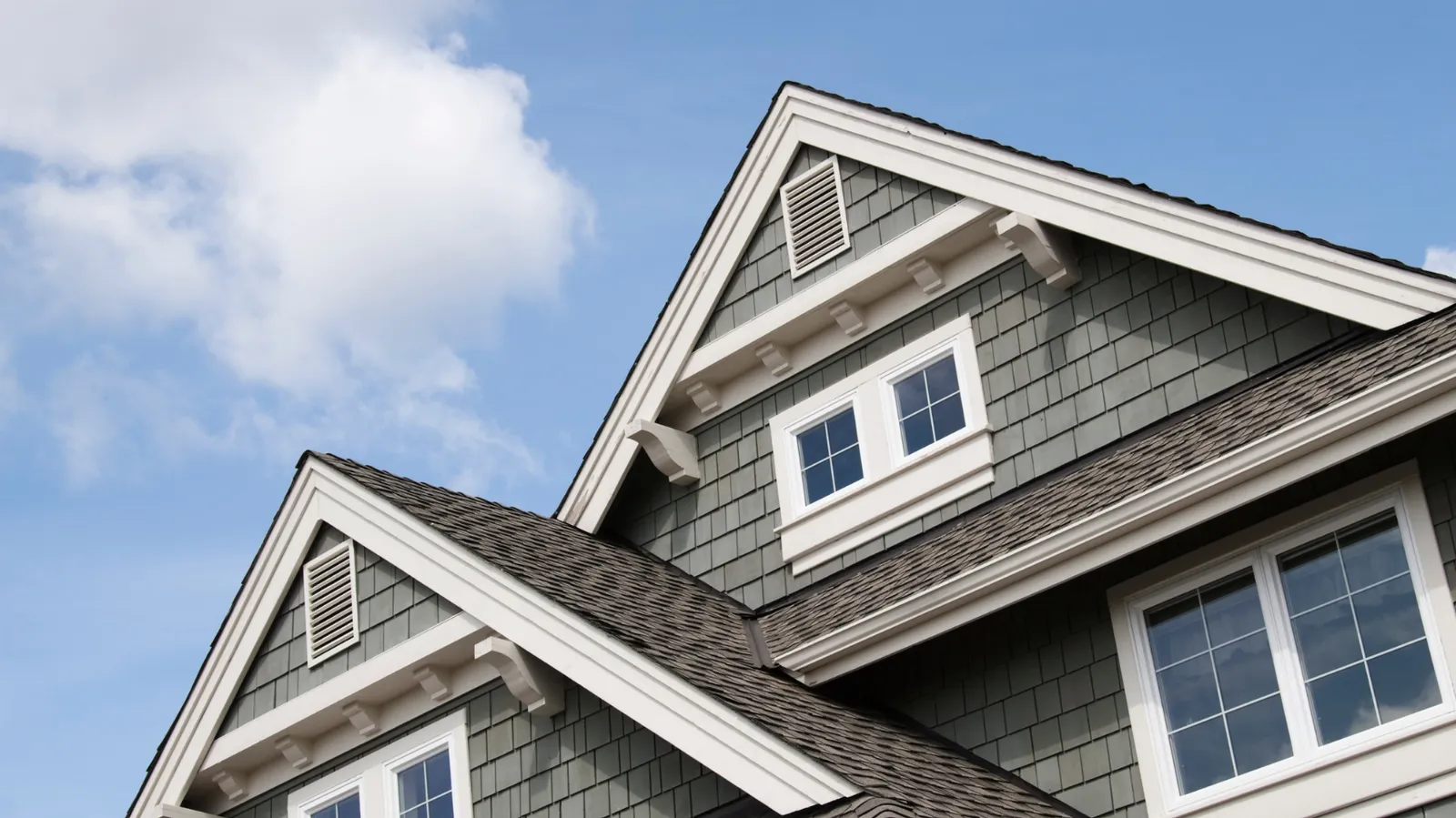
The lines a written replacement spec spells out
Five lines you should see named on paper before a crew starts, not discover once the roof is off.
- 01Everything old, down to the wood
- On a roof this age there is usually more than one layer up top, and all of it comes off: shingles, underlayment, and any second course from a past re-roof, down to the bare plywood. Going over old layers only hides the very wear a full replacement is meant to end, and on a roof this old there is plenty of it hiding.
- 02The deck, checked while it is bare
- Once the old roof is off, a local roofer crosses the bare plywood on foot and tests each sheet, replacing any that has turned spongy, cracked, or stained dark by a leak that ran for years. Older Euless decks tend to hide more of these than newer homes do, so the spec lists every swap as a line you sign off, never a surprise sprung after the roof is closed.
- 03A watertight dry-in before any shingle
- Ahead of any shingle, synthetic underlayment covers the deck end to end, with a waterproof membrane bedded into the valleys and wrapped around each pipe and vent. That hidden course is what holds a hard Tarrant County rain off the wood on the chance a shingle ever lifts in a gust.
- 04New flashing at the walls and valleys
- The metal at the walls, the chimney, and the valleys comes off with the old roof and goes back new rather than bent back and sealed with a fresh bead of caulk. Old flashing carried up from the last roof is the usual place a leak reopens, so on an aged home reusing it would defeat the point of starting over.
- 05The new field, and an attic that finally breathes
- New shingles, new pipe boots, and a balanced ridge-and-soffit path so the attic vents instead of baking the roof from beneath. Plenty of older Euless attics run short on airflow by today's standard, and correcting it is what lets the new field last as long as the label promises.
Cannot tell whether the whole roof is finished or just one detail has failed? A documented inspection gets its real condition on paper before anything is priced, and the shingle options guide weighs which shingles are worth going back up top.
How a documented replacement moves, start to sign-off
Nothing is hidden until it has been photographed and cleared. The job moves from the tape measure to the final nail sweep in four stages, each one on the record before the next begins.
The measure, and the spec on paper
A replacement opens at the tape, not on the ladder. A local roofer sizes each plane, adds up the squares, and gives you back a dated calendar with the actual working days circled and the materials listed. Most Euless jobs strip and re-cover in a day or two when the weather cooperates, so you know up front which mornings to expect the crew.
The strip-off, and the deck on record
Every old layer strips away to bare wood, and the open deck is shot on camera and graded while nothing hides it. A soft or leak-darkened sheet gets spotted, pointed out to you, and priced right there in the open, so any deck repair rides on the spec you already approved instead of arriving as a bill after the fact.
The dry-in goes down before the field
The waterproof underlayment and new flashing seal the open deck before a single shingle goes on. That sequence matters most on an aged home, where a slow leak has often been working at the wood for years, so the sealed layer has to keep the next rain out while the roof still lies open.
Cleaned up, walked, and put on file
Once the field is complete, a magnet is run across the yard and beds for dropped nails, the new roof is checked slope by slope against what the spec promised, and the workmanship and manufacturer documents go into a folder that stays with you. Whether the next event is a storm claim or a sale, the job's full record travels with the house.
Tells that an older Euless roof is done, not just leaking
Spot one or two of these and the issue is likely the entire roof rather than a slope a repair could carry.
- Twenty-five years or more on the roof, or an original 1960s to 1980s Central Euless roof that has never once come off
- Shingles gone brittle, cupped at the edges and cracking on every face, a whole field at the end of its life rather than one loose detail
- Grit worn off across the whole roof, not one slope: shiny bare patches, dark thin streaks, and gutters that keep filling with granules after a rain
- Damp, spreading patches on the attic sheathing, and decking gone soft and spongy underfoot
- A roof an adjuster has already written off on a Tarrant County hail or wind claim, with the carrier funding a new one instead of a fix
- Daylight showing between the roof boards when you stand in the attic and look up
Weighing a patch against a full tear-off? A documented look settles it plane by plane. When a storm is behind it, the storm damage page covers dating the hits for a claim.
What an older Euless replacement runs, by material and by what is underneath
A replacement on an older Euless home comes down to two numbers: the shingle you pick and whatever the tear-off uncovers below it.
Architectural asphalt runs roughly $410 to $690 a square, an impact-rated Class 4 shingle about $500 to $780 and standing-seam metal $820 to $1,470. On homes this age, add for a second layer to strip and any decking that has to be swapped once the roof is open. Treat these as area planning ranges rather than a bid; the firm figure only gets written once the roofer has measured the roof and looked the bare deck over.
See the full cost guide- Sold by the square, 100 square feet each; a taller or cut-up roof runs up the square count
- Architectural asphalt lands near $410 to $690 per square, with a Class 4 impact grade a notch up at $500 to $780
- Standing-seam metal asks more at install and returns it in decades of life, which suits a forever home
- A second layer to strip and any rotten decking come as add-ons, revealed on the bare deck and approved before the fresh roof covers them
In Euless, the calendar retires more roofs than the weather does
Euless is built out, most of it raised between the 1960s and the 1990s. Whole streets in Central Euless and Bear Creek were shingled within a few years, so a replacement here is more often an age call than a storm one. A local roofer grades whether a field still has usable years or has tipped into replacement, and says which plainly before touching a shingle.
- 01Streets that aged in together
- In the Central Euless core, roofs went on within a few seasons, so when one comes due the neighbors are close behind.
- 02Older decks, more to find underneath
- Decades of slow leaks and past re-roofs make an aging Euless deck likelier to hide a soft or double-layered spot, read in the open before pricing.
Still unsure an older roof has really given out? Get it read before a number is named; and once it is confirmed done, the roofing materials guide weighs what to put back up for how long you plan to stay.
Before you sign off on a full replacement
The questions owners of older Euless homes work through with a roofer before a single day is scheduled.
Q1How do I know it is time to replace, not just repair, an older Euless roof?
Q2My house is from the 1970s and never re-roofed. Is a full tear-off really necessary?
Q3What should the written spec actually spell out before the crew starts?
Q4Will insurance pay to replace an older roof, or is age held against me?
Q5The last roofers went right over the old shingles. Why does a real replacement strip everything off?
Q6Two roofers gave me very different plans for the same old roof. How do I tell them apart?
A full Euless roof replacement, speced on paper first
A worn-out roof earns a written plan before anyone pulls the first shingle, not a price hollered from the yard. Start with a free inspection: a local roofer sizes every plane, reads what the deck shows, and sets the whole job down as one dated spec, repair or replace, and nothing is owed for the look.