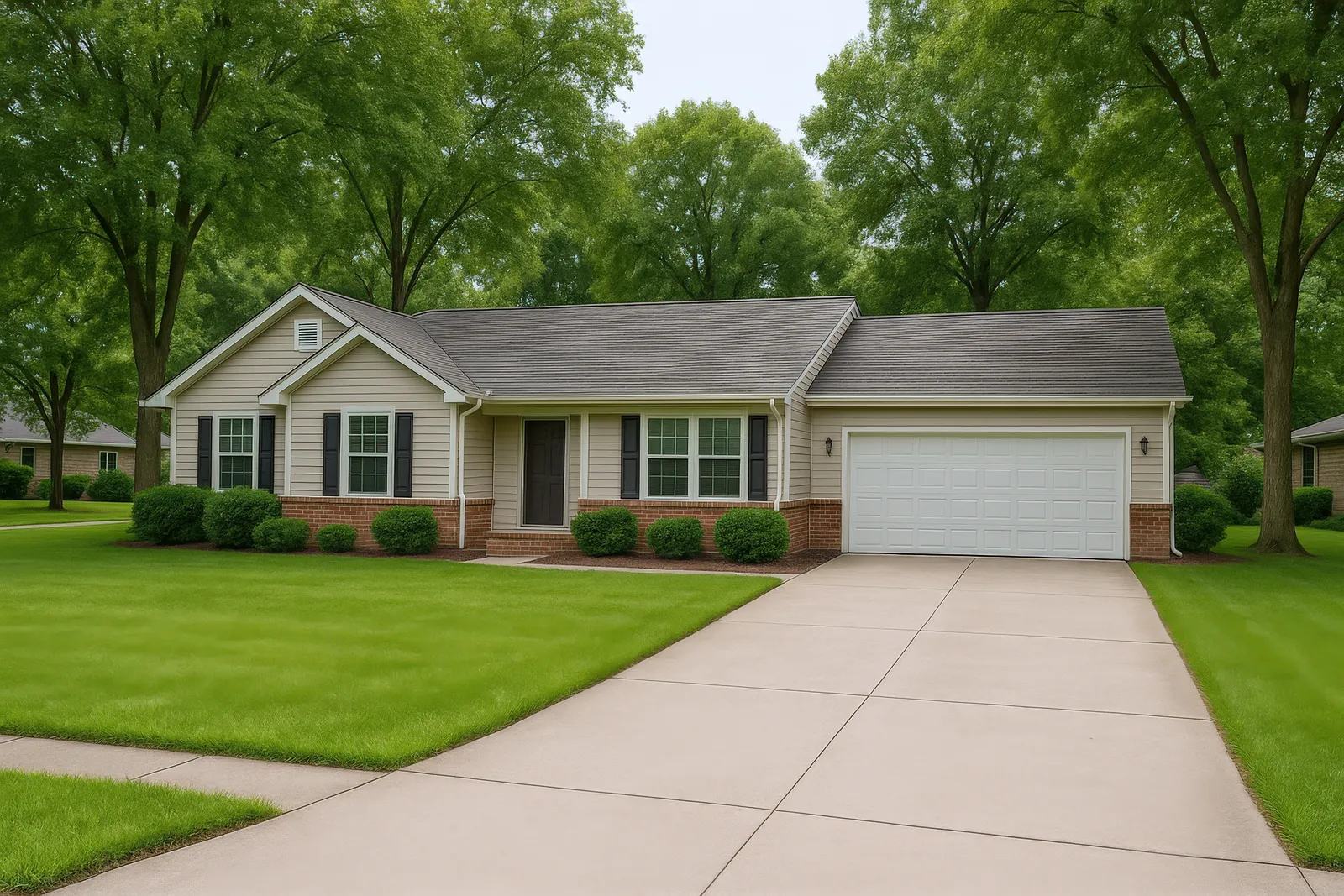
Roof Leak Detection & Repair in Euless, TX
A ceiling spot rarely sits under the leak itself; the water slips in high and drifts before it shows. A local roofer isolates that one open joint on your older Euless roof, then seals it.
- The scope and cost written down first
- Claim paperwork explained in plain English
- No sales pitch at the door
Call (817) 318-7069
On an older roof, the leak starts at the oldest joint
Water enters through one tired detail, runs along the underside of the deck.
On the 1960s to 1990s homes common around Euless, that spot is almost never the shingle field. It is a small metal or rubber part decades old: loosened flashing, a sun-split vent collar, a worn valley, or a lifted-tab nail. A local roofer confirms the true opening with a dated photo before any sealant goes down. If the covering is spent, you hear that straight, not a patch that defers a full roof replacement. Caught young, most leaks stay a one-visit targeted repair.
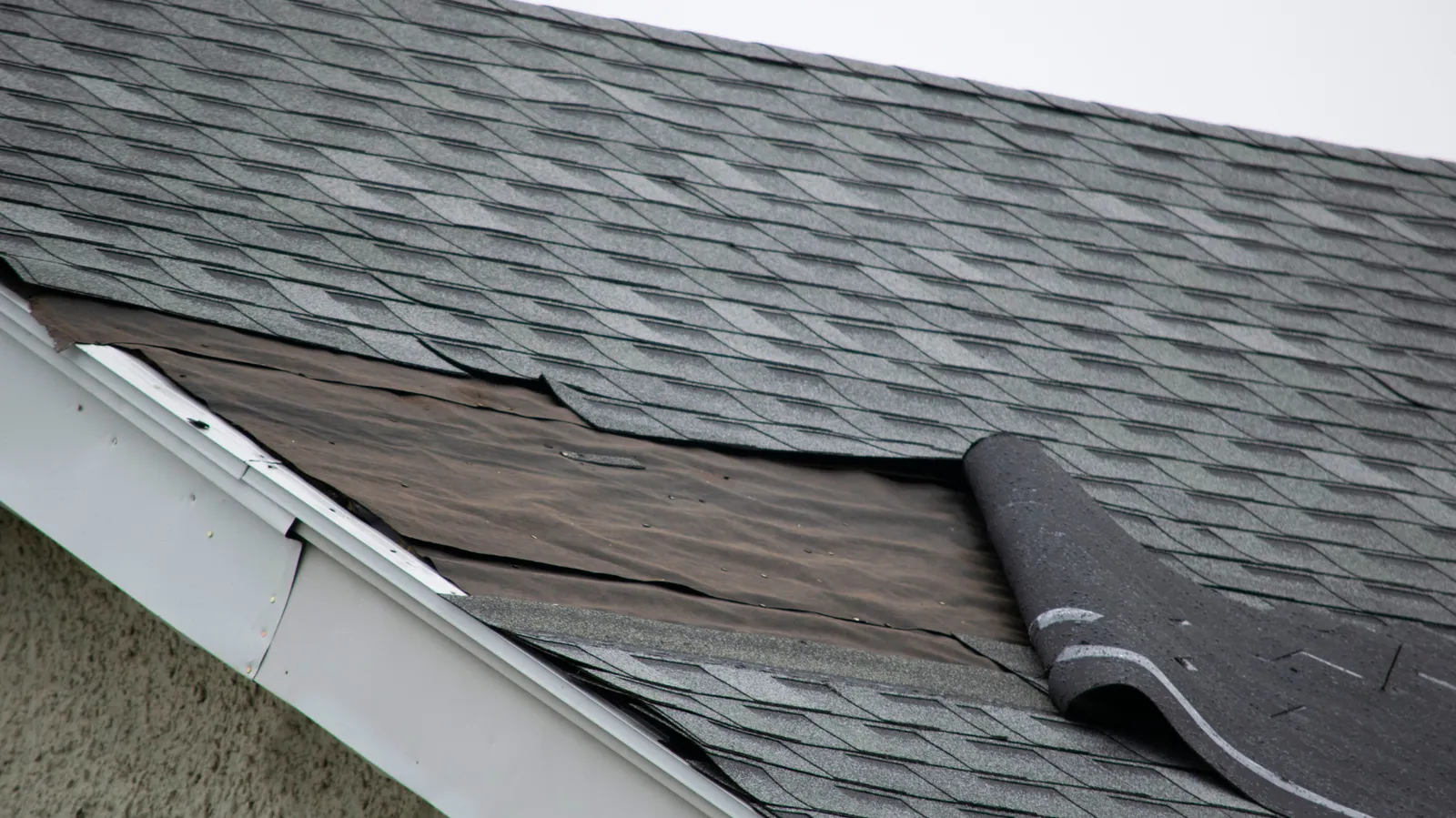
The four aged parts checked before the shingles
The worn joints ruled out in order, before anyone blames the shingle field.
- 01Flashing along walls and chimneys
- This is the metal that seals a slope against a wall or chimney, and on a house built decades ago it is often the oldest thing up there, which is why a roofer reads it the moment a stain appears inside.
- 02The collar on a plumbing vent
- The rubber ring around a vent pipe stiffens and splits after enough Texas summers, letting water in while the shingles beside it may have years left, so it hides from any look taken from the yard.
- 03Valleys where two planes drain as one
- Where two slopes pour their runoff into a single channel, a thin or poorly laid valley lets water ride under the courses and soak the deck below, a common find on the older ranch roofs here.
- 04A nail that has backed out
- Years of heat expanding and shrinking the deck lift a fastener until its head domes the shingle above, opening a needle-fine path to the wood that no ground-level look will ever catch.
Still cannot place where the water enters? A documented inspection narrows it to the opening and leaves you the dated frames, so the fix rests on proof, not a guess.
Found, sealed, then proven dry
Isolate the opening, close it, and prove it holds, with each step logged to your file.
Uphill to the real opening
Starting at the wet mark, a roofer works up the deck to wherever the water truly enters, a loosened flashing, a split collar, a worn valley, or a lifted nail, and captures it on camera so the cause is visible, not assumed.
The opening closed, not the stain
With the source pinned, a roofer prices the mend in writing and gets your yes before lifting a shingle, then seals the fault where it lives, so you pay to fix the leak, not the mark it left below.
Water run over it to be sure
A roofer floods the repair to confirm it stays dry through the next Tarrant County storm, and with the ladder already up, gives you a clear read on how the rest of the roof is holding.
Is a leak already at work up there?
The quiet tells worth catching before the drywall gives.
- Water backing up where the gutters overflow and pool along the fascia line
- A rust-ringed patch on the ceiling that spreads a little after each Tarrant County storm
- A run of chimney or valley flashing lifted or gapped enough to let water track in
- A musty, damp attic with insulation that stays spongy near the roof deck
- A vent pipe boot you can see from the yard gone chalky, cracked, or split
Any one of these is worth a look now. Water that reaches the deck and drywall turns a modest repair into a much larger one, so early is cheaper every time. If the leak is active, take pictures before anything else, then get a tarp on; temporary protection is something carriers require and repay.
What decides a leak-repair bill
Set beside a whole new roof, sealing one leak is a minor line, and where it lands comes down to what actually failed. A cracked vent collar is quick and cheap. A run of tired flashing, or a valley that has to be rebuilt from the metal up, sits higher.
If the deck under the trail has quietly gone soft, opening and replacing that wood adds a little, which is the plain case for catching a leak early. No figure is named until the source is in hand, and the roof replacement cost guide lays out the ranges if the roof turns out to be finished.
See clear cost ranges- A split vent collar is the fastest and cheapest thing to put right
- Resetting flashing or rebuilding a worn valley costs more
- Soft decking uncovered along the leak adds to the total
- Your number is set once the true opening is found, not before
On an aging Euless roof, one part usually gives, not the whole
A leak on an older Euless home rarely condemns the whole roof. Far more often a single detail has surrendered, a collar, flashing, an open valley, while the field keeps working. These parts age out ahead of the shingles, and on 1960s to 1990s homes they have had a long time.
A local roofer gives you that call plainly, whether yours is one stray leak or a roof near its end.
- 01One aged part, not the whole roof
- On a mature home the collars and flashing give out well before the shingle field, so a leak usually traces to a single worn detail.
- 02Decades of sun and hail on the seams
- Texas heat stiffens rubber collars while Tarrant County hail works every joint, pushing a small fault into a live leak sooner than owners expect.
Torn between one stray leak and a roof running out of years? A documented targeted repair runs the cause to ground and gives a plain repair-or-replace answer.
The questions a fresh leak raises
What Euless owners want to know first.
Q1The stain looks dry today. Does it still need a roofer?
Q2How can a roofer find the leak without tearing the roof apart?
Q3My roof is from the 1970s. Is it too old to just repair a leak?
Q4Water is coming in near the chimney. What is that?
Q5Could ignoring a small leak cost me the whole roof?
Q6Do I have to file an insurance claim to get a leak fixed?
Pin down your Euless leak before the deck goes soft
A leak never waits, and every storm works more water into the deck and drywall. Send over what you are seeing, and a local roofer isolates the true point of entry, walks you through the dated photos, and sets down one honest figure, mend or replace. No signature asked.