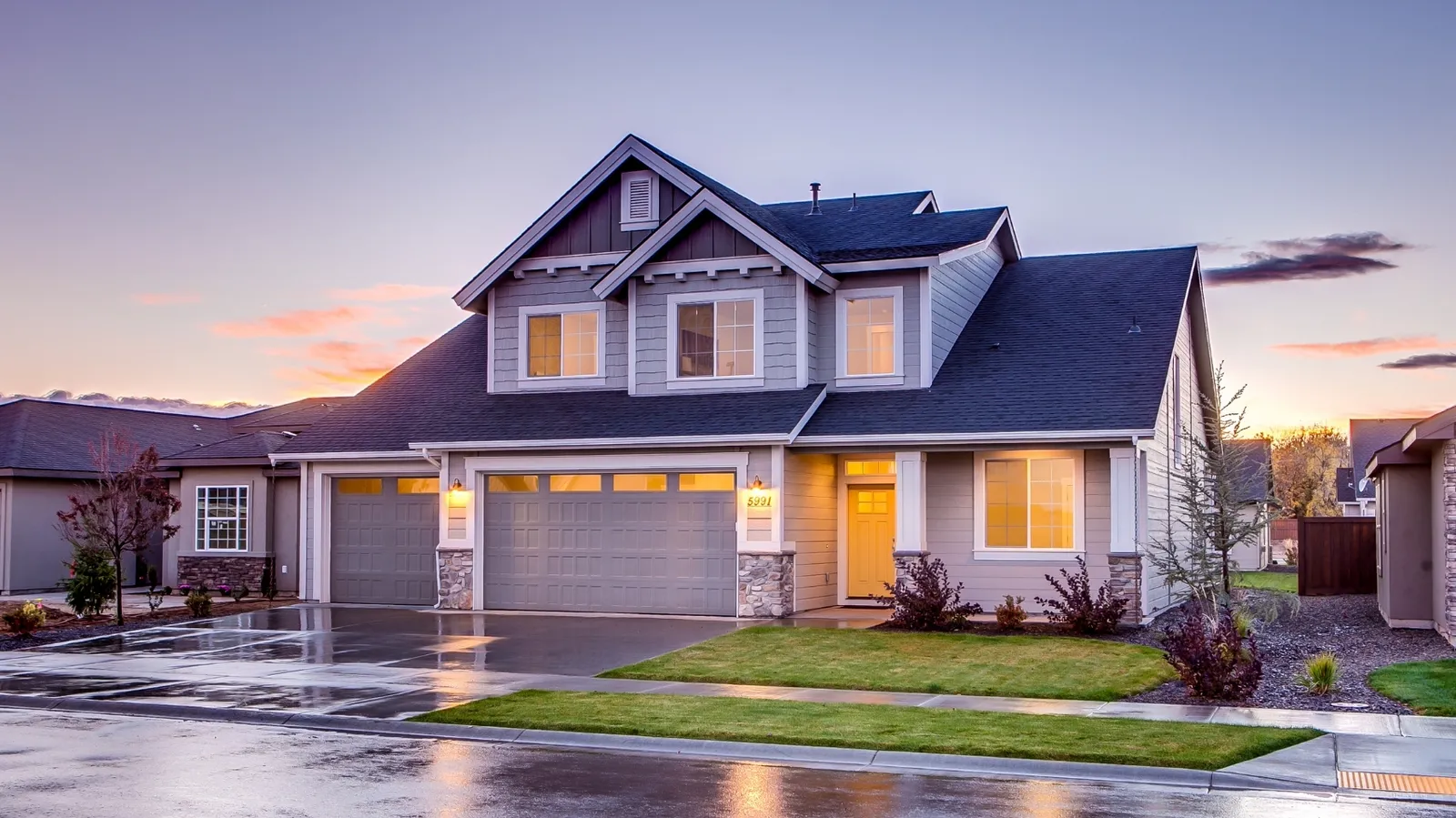
Roof Ventilation & Attic Airflow in Euless, TX
Roof ventilation is simply steady airflow through your attic, cool air in low and hot air out high. On many older Euless homes it is short, and trapped heat quietly bakes the shingles from below.
- The scope and cost written down first
- Claim paperwork explained in plain English
- No sales pitch at the door
Call (817) 318-7069
Why a hot attic wears a roof out early
Ventilation just means steady airflow: cool air in at the eaves, hot damp air out near the ridge.
Many single-story ranch homes around Central Euless were built with too little venting for a North Texas summer, and trapped heat cooks the shingles from underneath, curling and aging them early. A local roofer balances the low intake vents with the high exhaust so the attic actually breathes, protecting the shingles and easing your AC. Worth sorting before a new roof goes on, so the roof replacement does not age early, and a free inspection checks the attic now.
What balanced attic airflow needs
The pieces a roofer checks so air moves through, not just into, the attic.
- 01Intake down at the eaves
- Vents low along the overhang, usually in the soffit under the roof edge, let cool outside air enter, and on older homes they are often missing, painted shut, or buried under insulation.
- 02Exhaust up at the ridge
- Vents high on the roof, along the peak or near it, let the hottest air escape, and without enough of them the heat has no way out no matter how much comes in below.
- 03Balance between the two
- Airflow only works when the intake low and the exhaust high are matched, so a roofer sizes them together rather than adding a single vent and calling it fixed.
- 04Blockages and moisture
- Insulation stuffed over the eave vents, a bathroom fan dumping into the attic, or old clogged vents all stall the flow, and a roofer clears these before adding anything new.
Not sure your attic is breathing? A documented inspection reads the intake and exhaust together and tells you plainly what is missing.
Read the attic, balance the flow
Read intake and exhaust together, correct the imbalance, and confirm the attic breathes, on your file.
A read of the whole system
A roofer goes into the attic and checks intake and exhaust together, looking for blocked eave vents, missing ridge exhaust, and the tells of trapped heat, so the fix answers what is actually stalling the airflow.
Intake and exhaust set in balance
With the gaps found, a roofer adds or clears the low intake and cuts in the high exhaust to match, priced in writing first, so air moves through the attic instead of pooling under the roof.
Proven to actually breathe
A roofer confirms the corrected system draws cool air low and pushes hot air high, and gives you a clear read on how the shingles overhead are wearing while the ladder is up.
Is your attic trapping heat?
The everyday signs of an attic that cannot breathe.
- Upstairs rooms that stay hot no matter how hard the air conditioner runs
- Summer energy bills that climb higher than the house size seems to explain
- Shingles curling, cupping, or aging faster than their rated years
- A blast of trapped heat, or a musty, damp smell, when you open the attic hatch
- Frost or beads of moisture on the underside of the decking in a cold snap
These point to airflow, not just a hot day. Sorting the ventilation protects the roof and usually takes the edge off the cooling bill too.
What better ventilation costs
Improving attic airflow is one of the more affordable things you can do for a roof, and what it costs depends on how much has to change. Adding or clearing a run of intake vents is modest. Cutting in proper ridge exhaust, or correcting a system that fights itself, costs more but still lands well under a new roof.
The best value comes when venting is corrected as part of a re-roof, since the roof is already open and the fix rides along cheaply. A roofer prices it after reading the attic, and the roof replacement cost guide shows where a full roof lands if yours is also near due.
See clear cost ranges- Clearing or adding eave intake vents is the low-cost end
- Cutting in ridge exhaust or rebalancing the system costs more
- Correcting venting during a re-roof is the cheapest time to do it
- The number follows a look in the attic, not a guess from the driveway
Why older Euless attics run short on air
The single-story ranch homes that fill Central Euless and the older HEB-area streets were built when attic venting was an afterthought. Add a North Texas summer, and an attic that cannot exhaust its heat cooks the shingles from below while the surface still looks intact.
A local roofer balances the venting so the next roof lasts its full life, and current code often requires that balance the moment a re-roof permit is pulled.
- 01Built before venting was required
- Older Euless ranch houses predate the code cycles that now call for balanced attic airflow, so many of these attics never had enough.
- 02Trapped heat ages the shingles
- An attic that cannot breathe bakes the underside of the roof all summer, curling and aging shingles years before their rated life.
Planning a new roof anyway? Getting the venting right first is part of why the roofing permit exists, and a roofer builds it into the job.
Attic ventilation questions from Euless homeowners
What owners of older homes ask about attic airflow.
Q1Will better attic ventilation really lower my energy bills?
Q2My roof is only ten years old but the shingles look worn. Could venting be why?
Q3Isn't one big roof vent or an attic fan enough?
Q4Do I have to add venting when I replace my roof?
Q5Can poor ventilation actually shorten how long my roof lasts?
Q6How does a roofer tell if my attic is under-ventilated?
Give your Euless attic room to breathe
A stifling attic quietly shortens the life of the roof above it. Say what your upstairs and your energy bills are doing, and a local roofer reads the attic, balances the intake and exhaust, and puts one honest figure on paper. No rush to decide on the spot.