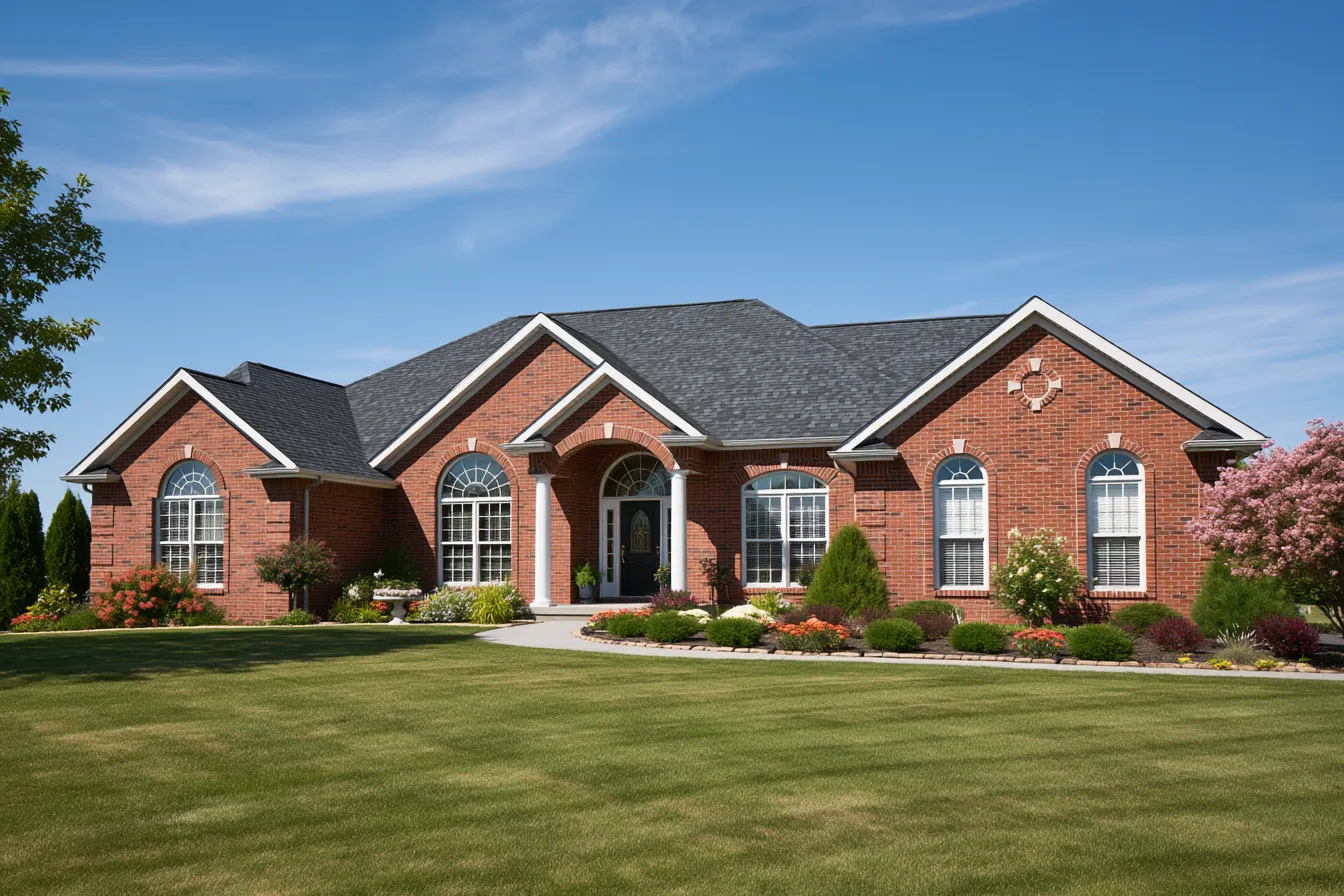
Roofing in Villages of Bear Creek, Euless, TX
Villages of Bear Creek was built in waves from the 1970s into the 2000s, so no two streets share a roof age. Here the read starts by placing your roof in its own decade.
- The scope and cost written down first
- Claim paperwork explained in plain English
- No sales pitch at the door
Call (817) 318-7069
One neighborhood, thirty years of roof ages.
Villages of Bear Creek grew in stages, with most homes going up between 1970 and 1999 and a share added after 2000, mixing single-family houses with townhomes and denser multifamily buildings. That range is the whole point here. A townhome three doors down can be a full generation newer than the house on the corner, so there is no single answer to how a roof in this neighborhood is holding up.
A useful look starts by pinning down where your roof actually falls. On the older single-family homes the question leans toward age and a first or second replacement, while the newer streets are more about catching storm damage before it spreads. A local roofer dates the photos and reads your roof against its own build era, not the neighborhood average, so an older roof is not rushed and a younger one is not overlooked. On the townhome and multifamily side, the low-slope sections get read differently than a pitched house, which the commercial and flat-roof crews handle.
These notes describe the mixed housing across Villages of Bear Creek in general; your own street or building can run older or newer than the range.
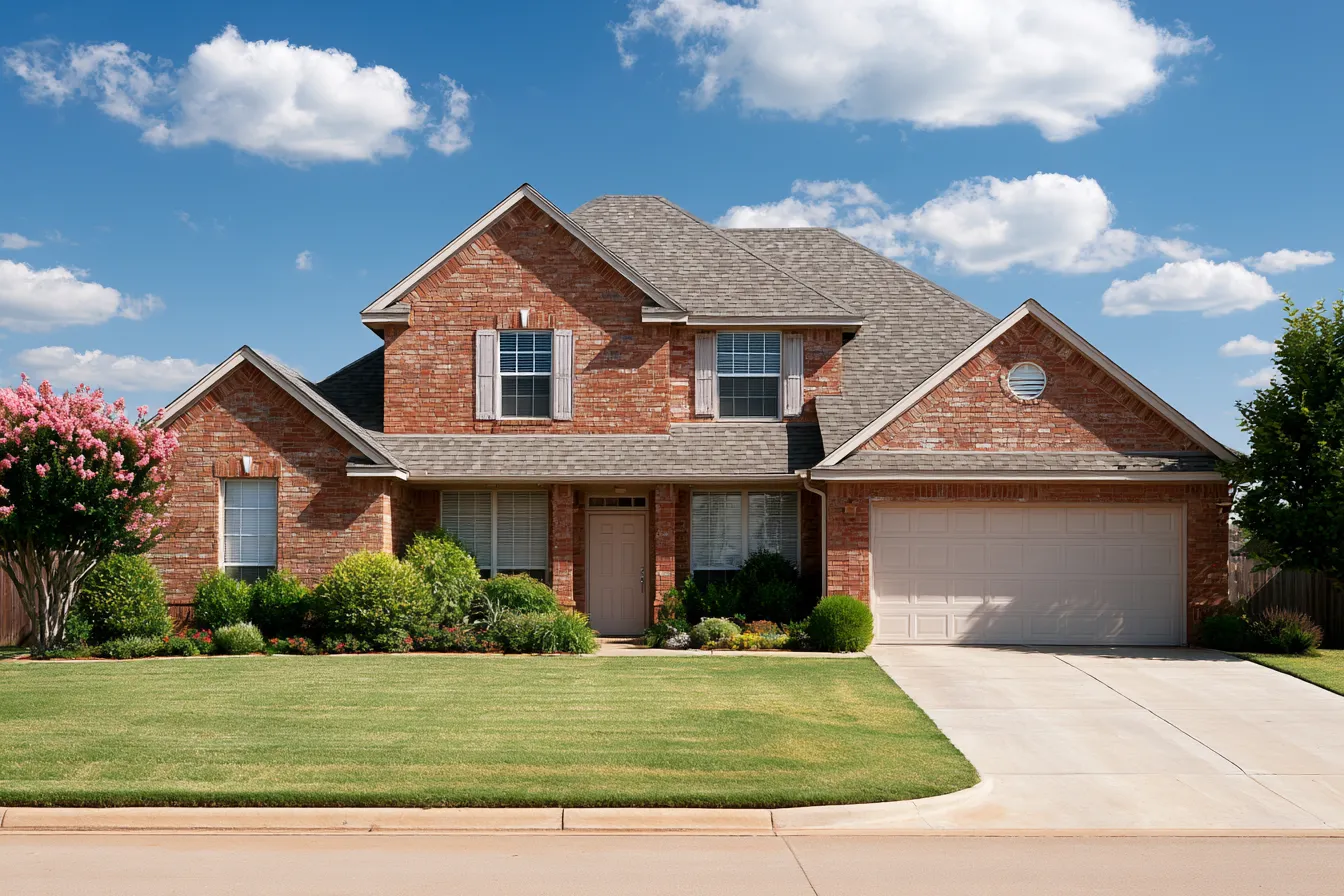
Different roof ages, a different first question.
Because the build years run wide here, a roofer does not start the same way on every roof. These are the things that sort a Villages of Bear Creek roof into its own category.
- 01How old this particular roof is
- With homes spanning three decades, a roofer places your roof in its era first, since a 1970s house and a 2000s one are on completely different clocks.
- 02Pitched house or low-slope section
- The single-family streets carry sloped shingle roofs while some townhome runs are low-slope, so a roofer matches the read to the system, since the two fail in different places.
- 03Shared walls and property lines
- On townhomes a roof can run across more than one unit, so a roofer sorts out where yours ends and a neighbor's begins early, keeping a repair or claim clean.
Knowing where your roof sits in its life is half the answer. If yours is coming due, the roof replacement cost page walks through what actually moves the number.
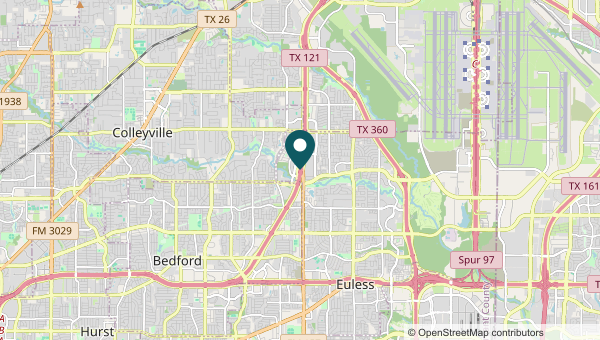
Villages of Bear Creek, west of the estates.
Villages of Bear Creek sits in the Bear Creek area in ZIP 76039, just west of Bear Creek Estates. Local roofers cover the single-family streets, the townhome runs, and the newer pockets over toward Texas Star.
- Setting Bear Creek area
- Built 1970 to 2000s
- ZIP 76039
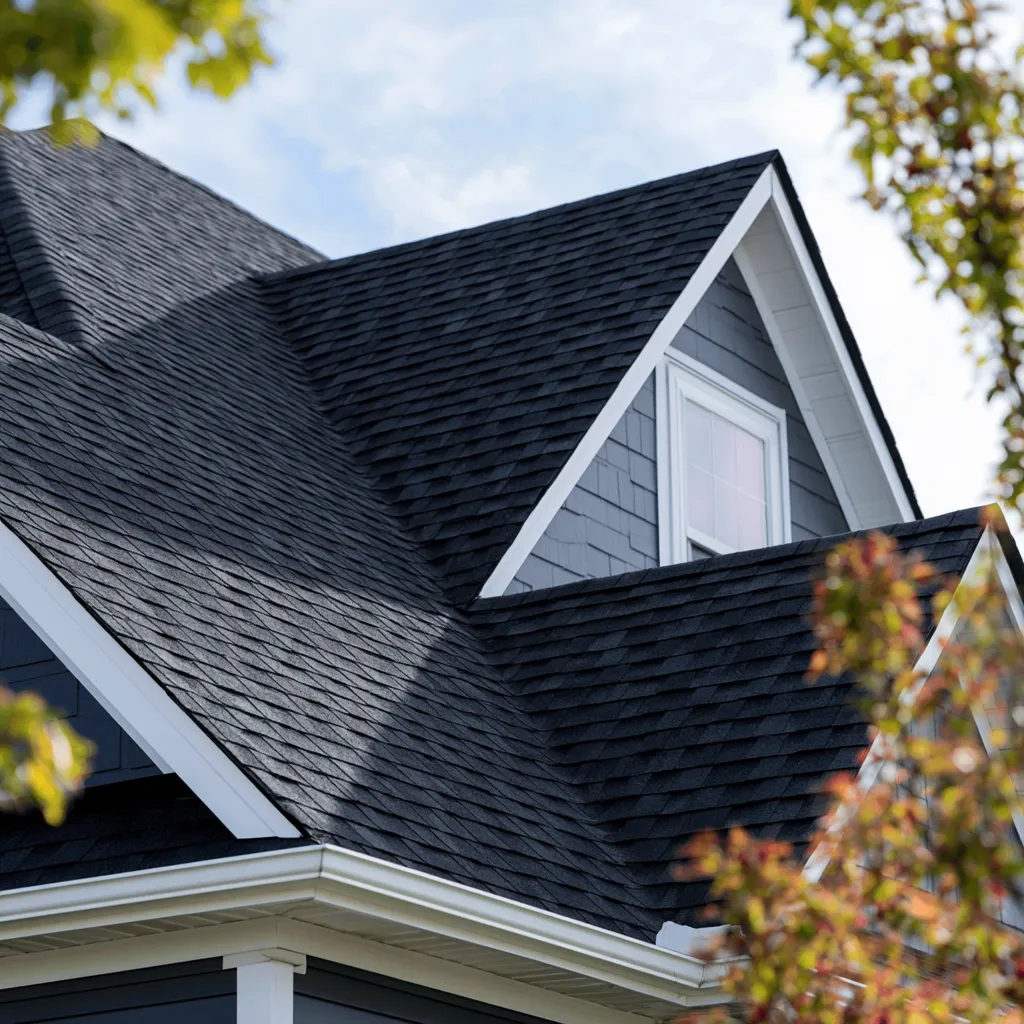
The same Tarrant County storms reach every roof age here, so a newer roof can take a hit just as easily as an old one. A local roofer times and dates each photo so a fresh bruise is not mistaken for ordinary wear.
What local roofers cover in Villages of Bear Creek
From a first look at a 1970s roof to storm work on a newer one, every roof here is measured against one written standard. Not sure which shingle fits an older home versus a newer one? The shingle guide breaks it down plainly.
Full Roof Replacement
A written replacement spec, dated and detailed, before the first shingle comes off.
Read it through →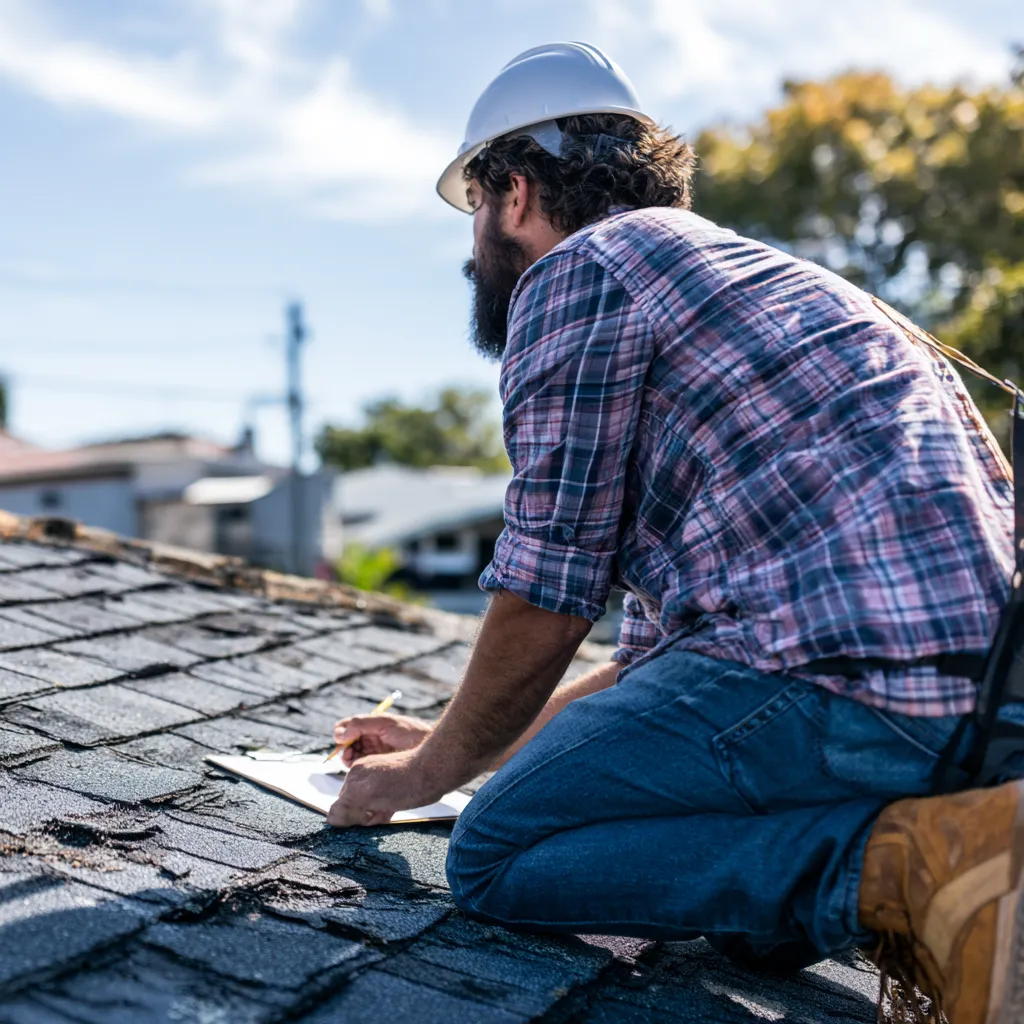
Documented Roof Inspections
Every slope photographed and logged, so the roof's condition is on paper, not from memory.
Read it through →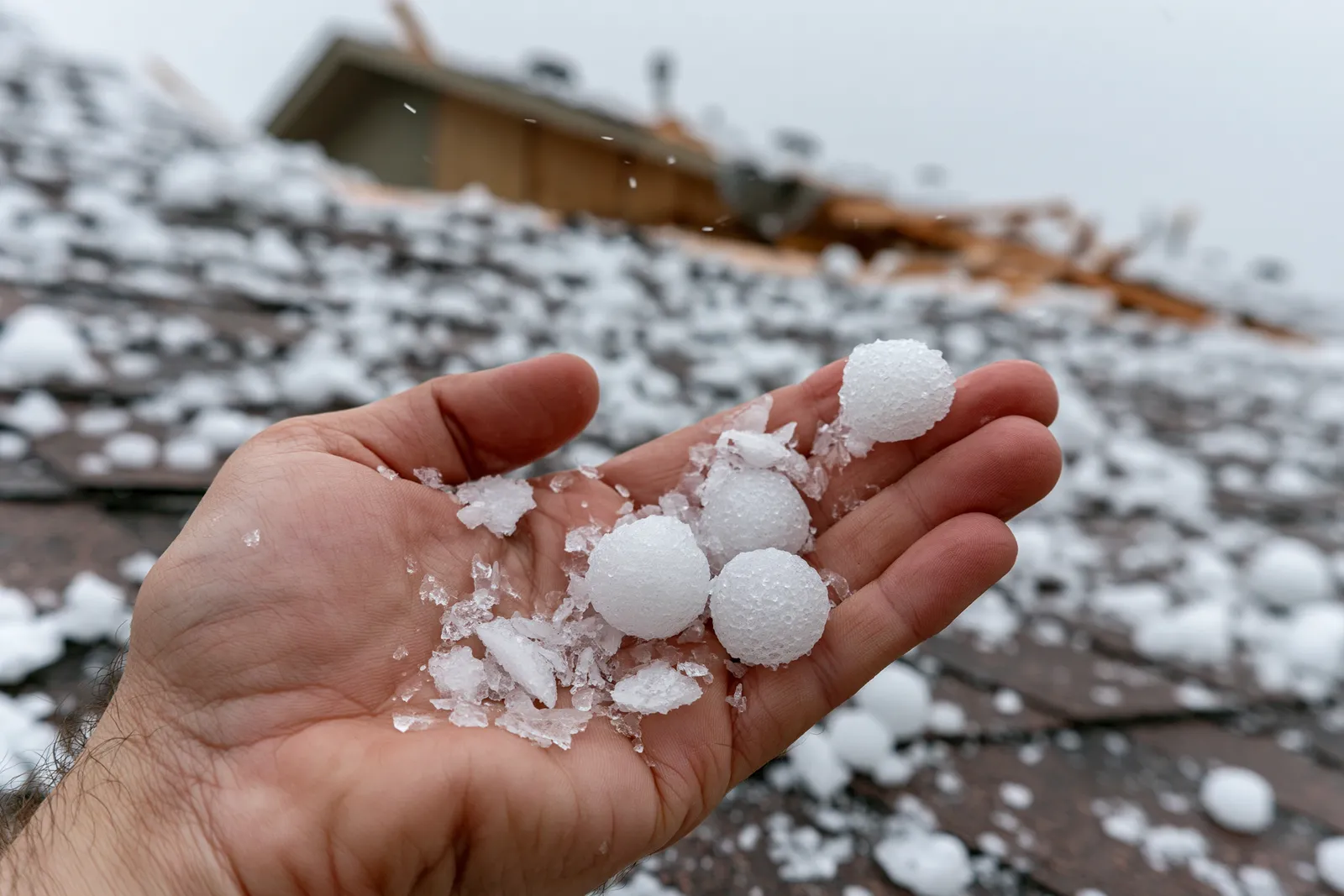
Hail & Storm Damage
A dated, slope-by-slope read of what a Tarrant County storm actually did up top.
Read it through →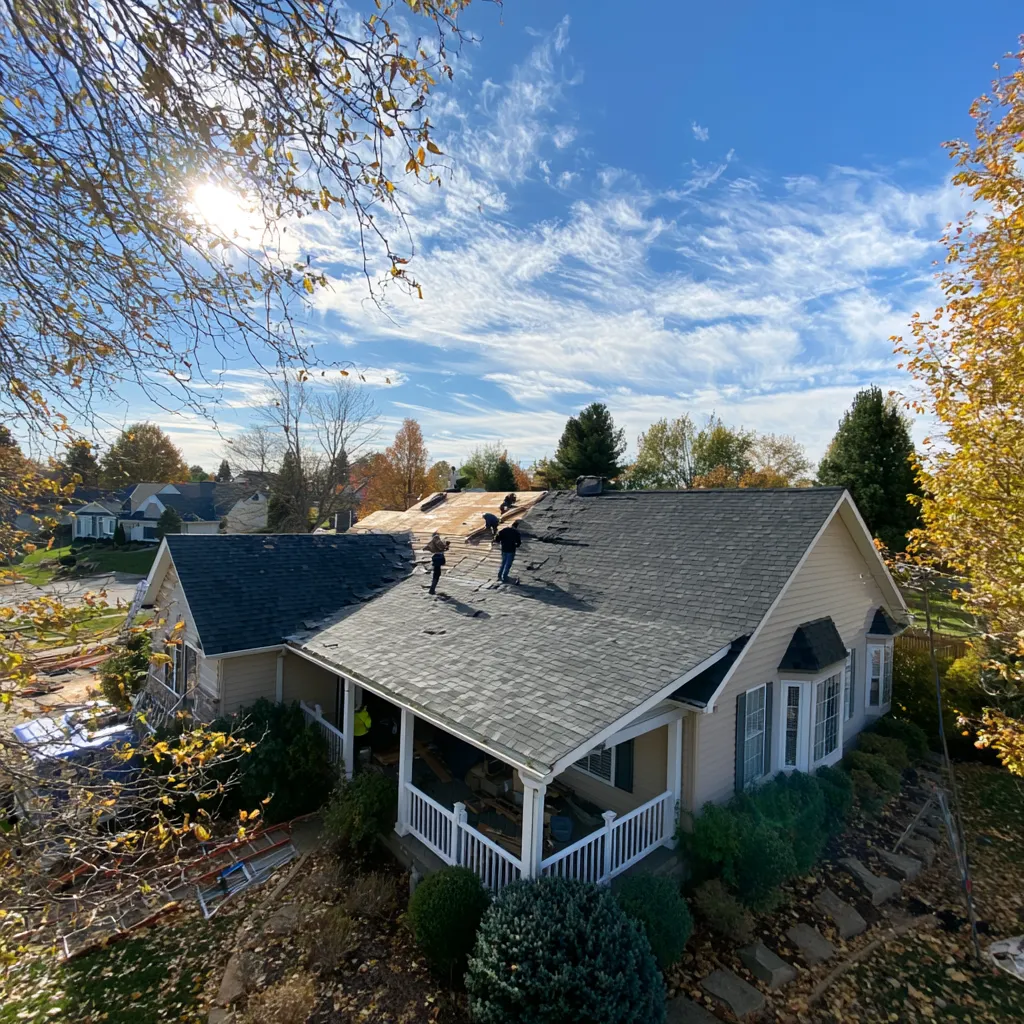
Roof Repair
A targeted fix on an older Euless roof, written down so you know what was done and why.
Read it through →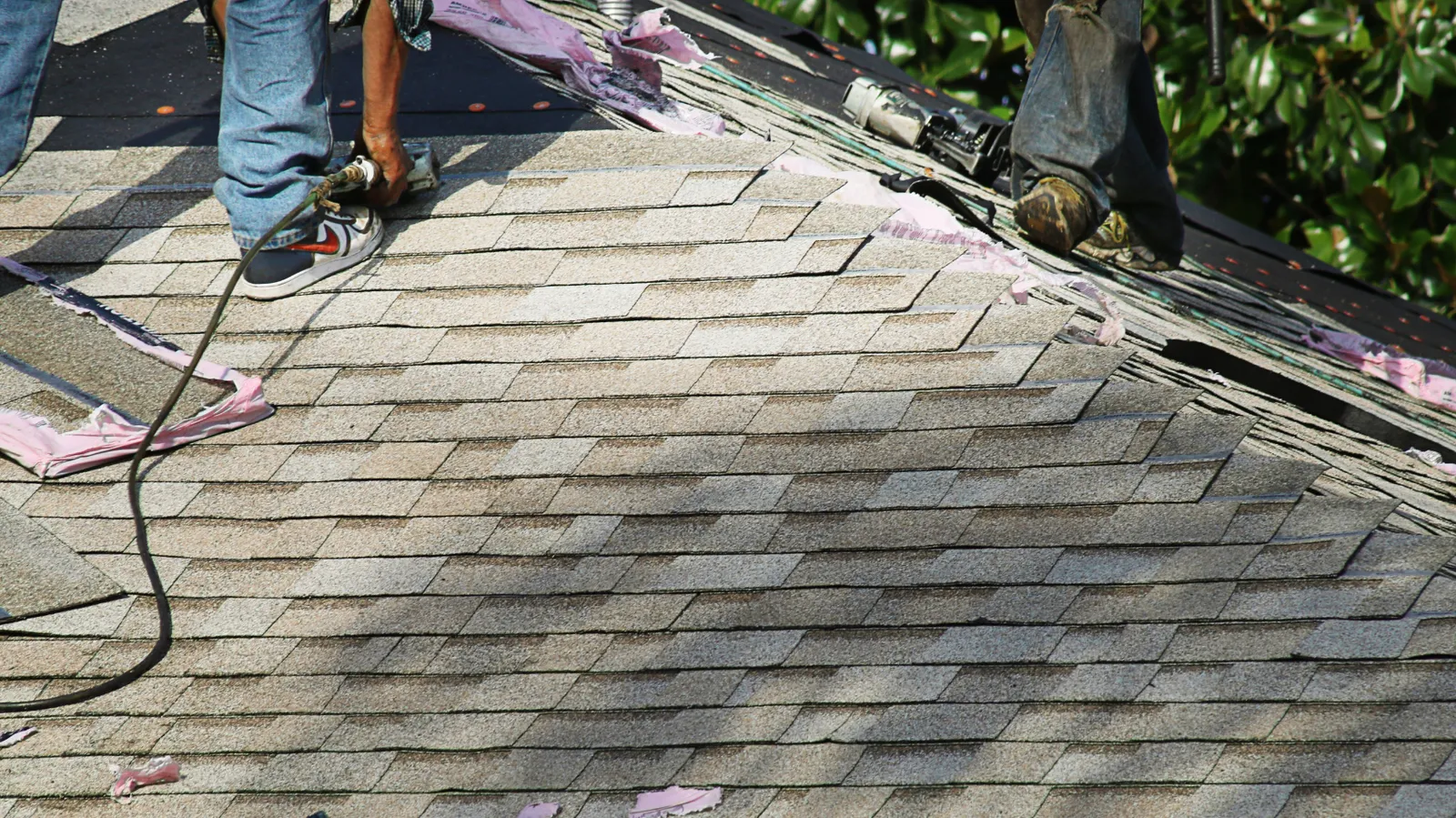
Roof Leak Detection & Repair
The leak traced to where water truly enters, not just the ceiling stain below it.
Read it through →
Chimney & Flashing Repair
New metal at the seams where a roof meets a chimney or wall, the first place older roofs leak.
Read it through →What Villages of Bear Creek owners ask first
What owners across the mixed-age streets ask before they book a look.
Q1The homes in Villages of Bear Creek are all different ages. How do I know what mine needs?
Q2I own a townhome here. Who is responsible for the roof, me or the HOA?
Q3My roof is one of the newer ones. Is an inspection still worth it?
Q4Do the roofers cover the townhome and multifamily buildings, not just houses?
Q5Two homes on my street re-roofed last year. Should I be worried about mine?
Get your roof read against its own age, not the block’s.
In a neighborhood this mixed, the roof next door tells you nothing about yours. A local roofer walks your roof, places it in its era, dates the photos, and gives you one clear read on where it really stands. No pressure, and nothing owed for the look.