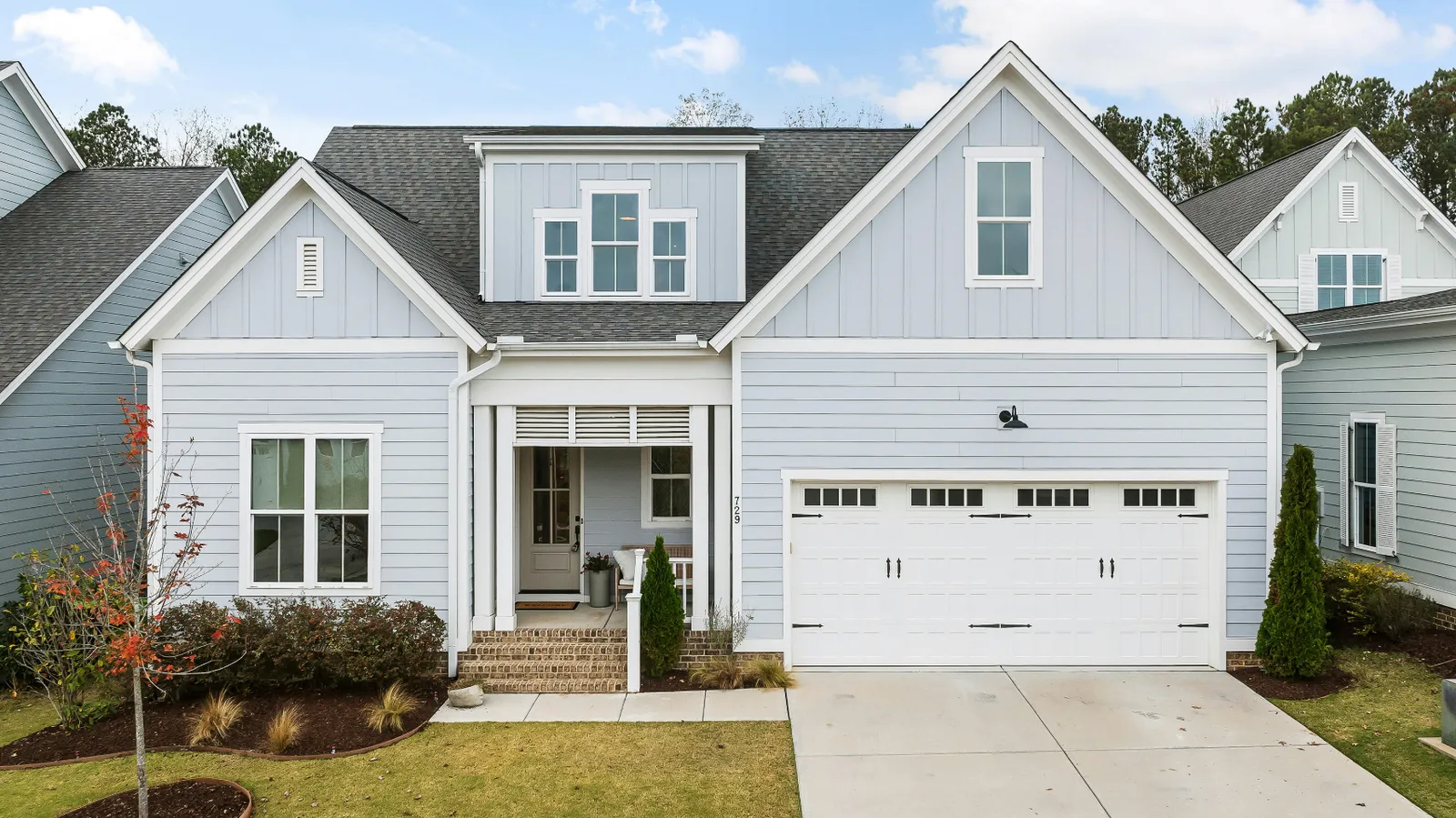
Metal Roofing in Euless, TX
Plenty of Euless ranch homes are on their second or third shingle roof already; a standing-seam metal roof can be the one that ends the cycle. A local roofer sizes the profile, gauge, and finish to the house, then sets a single written figure before any panel is cut.
- The scope and cost written down first
- Claim paperwork explained in plain English
- No sales pitch at the door
Call (817) 318-7069
With metal, the seam is where it is won or lost
A metal roof stands or falls at the seam. On a standing-seam panel the fasteners tuck under a raised rib, a 1.75-inch seam over 24-gauge steel, so nothing sits out to drip; a service life of forty to seventy years is normal.
On wind and hail, a locked-seam steel roof shrugs off a gust, and a stone that would split a shingle only dents the panel. You pay for that, roughly two to three times what asphalt runs. A local roofer pins the panel profile, the gauge, and the coating in writing; the materials guide ranks the two.
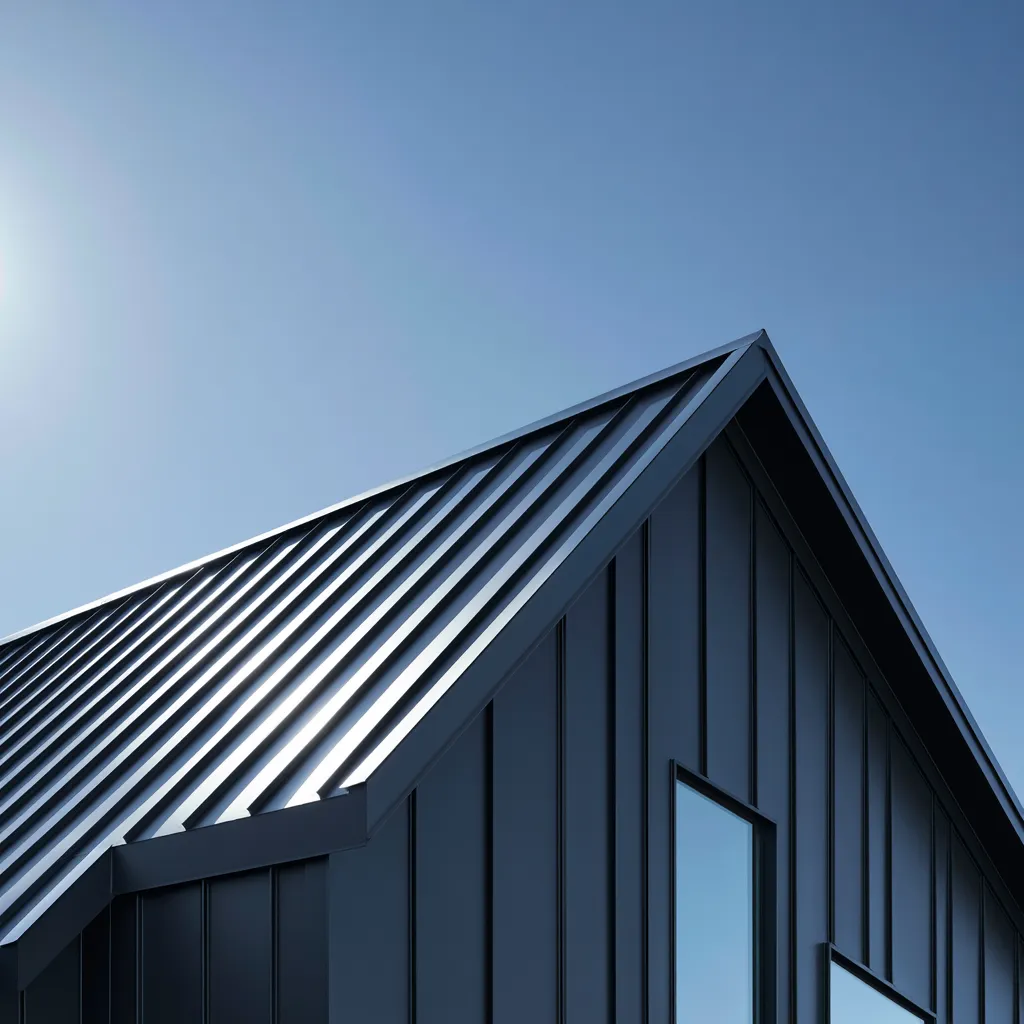
Reading a metal spec, from the deck up
The layers a roofer prices and records, starting where the decking is.
- 01Panel choice, the line that sets the rest
- Standing-seam hides every fastener beneath the raised rib for the longest watertight life you can buy; screw-down leaves the screw heads out in the open and due for a re-gasket inside a decade. A roofer tells you outright which one suits a house and which suits a shed.
- 02The gauge and the baked-on color, both named
- 24-gauge steel takes a hailstone and springs back where thinner metal creases, and a factory-baked finish holds its color for decades, so leave neither vague. A lowball metal bid quietly cheats right here, thin steel hiding under a cut-rate coating.
- 03A high-heat dry-in over decking that checks out
- High-temperature underlayment rolls out over decking a roofer has walked for soft spots, the quiet course that hushes the rain and beds the panels. Any spongy board comes off and gets replaced before a single panel is set.
- 04Flashing bent to the panel run
- Each wall, chimney, and vent gets flashed to the profile of the panel run, the lone detail a rushed metal crew fakes first and a leak finds fastest.
Still deciding between going metal and laying one more shingle roof? A free inspection puts a lens on your actual roofline and lines the two up plainly before the spend gets real.
Install day, in three stages
Measure and spec, lay the dry-in, then seam the panels and flash the openings, every step logged to your file.
The tape reads the roof first
Work opens with a tape and a pitch gauge. A roofer measures the slopes, reads the pitch, and locks down the profile, gauge, and coating, then hands back one written figure before a panel is on order.
Dry-in laid, panels carried up the slope
Once the deck is confirmed sound, the crew rolls out the high-temperature underlayment, then carries each panel up the slope and folds the seams closed, leaving no screw head exposed and no gap for water to track under.
Flashed, capped, and shot for the file
Every opening gets flashed tight to the panel run, the ridge and edges are capped and trimmed, and a roofer photographs the completed roof for your file, so the manufacturer's finish warranty has a dated record standing behind it.
When metal is the right call for a Euless roof
The situations where the jump to steel actually earns the money.
- You plan to stay put long enough that a forty-plus-year roof outlives its own payback
- You are done re-roofing this house in shingle every fifteen or twenty years as the hail cycles back through the Mid-Cities
- Your home is a newer build, out toward Texas Star, where crisp vertical seam lines match the architecture
- You have a low-slope porch, patio cover, or entry where shingles never sat right and metal sheds better
- You would rather a hailstorm cost you a dent than a leak, and never another full tear-off
A free inspection is where a roofer gives you the straight answer: whether your roofline and how long you plan to stay make metal the smart buy, or whether an impact-resistant Class 4 shingle covers you for less.
What a metal roof costs to put on and keep
Standing-seam usually runs about $820 to $1,470 a square with the old roof torn off, so a single-story Euless home of roughly 18 to 24 squares lands somewhere near $19,700 to $35,300. Plan on two to three times an asphalt roof, since the steel, the roll-forming, and the skilled seam labor each carry their own cost.
The case for metal is the long view: one steel roof does the work of two or three shingle roofs, which drops its cost-per-year down to about the lowest any roof reaches. The cost guide breaks the honest Euless ranges out by material.
See clear cost ranges- Runs roughly two to three times what an asphalt roof costs to install
- Carries about the lowest yearly cost of any roof, one covering the span of several
- Gauge, panel profile, and finish coat move the price more than the roof's size does
- Seaming is the one line not to shop cheap; a sloppy install throws away the whole spend
Steel where hail and heat both hit hard
Ask a Euless roof one question and it is usually this: how does it take a hail hit? Steel takes it well. A stone that pocks an aging shingle field lands on a 24-gauge panel as a shallow dimple, and the roof keeps draining.
If yours is already due for a full replacement, a roofer can price stepping up to metal so this becomes the final roof the house ever wears.
- 01A hard hail hit reads as a dimple
- Impact-rated metal only dents where an old shingle cracks, so the roof drains on instead of springing a leak.
- 02Locked seams hold in a hard wind
- A standing-seam roof clips down the length of each rib rather than leaning on a few nails per shingle, so it stays put through straight-line gusts.
- 03A reflective coat and the July cooling bill
- A baked-on reflective finish bounces back part of the summer sun and eases the load on the AC, one more point for metal over another dark shingle roof.
Still going back and forth between metal and a new shingle roof? A roofer measures both against your own roof so the trade-off is plain on paper, with no thumb on the scale.
Questions Euless owners raise before choosing metal
What homeowners here think through before spending on steel.
Q1Does a metal roof actually pay off on a Euless home?
Q2Will Euless hail dent the panels?
Q3What is the price gap against shingle here?
Q4Are metal roofs loud when it rains hard?
Q5For a house, standing-seam or screw-down?
Q6Can impact-rated metal lower my insurance?
Not sure metal pencils out for your home?
Metal is the right roof for some homes and some timelines and the wrong one for others. A local roofer reads yours, sets the panel and gauge options beside an equivalent shingle roof, and hands you the figures to keep. The visit costs nothing, and no one leans on you either way.