
Roof Repair in Euless, TX
On a roof built in the 1970s or 80s, a repair is a judgment call. A local roofer finds the one failed part, then says plainly whether mending it buys real years.
- The scope and cost written down first
- Claim paperwork explained in plain English
- No sales pitch at the door
Call (817) 318-7069
On an older roof, when a patch is worth it
On a Euless roof built in the 1970s or 80s, a repair is not automatic. The parts that fail first, a vent collar, loosened flashing, a scoured valley, usually give out while the field still holds, so mending one buys real years.
A local roofer traces the leak to the single part that failed, seals it, and photographs the cause. If the covering is spent, you hear that too, since a patch that only postpones a full replacement would not be square. A free inspection puts the source on camera first.
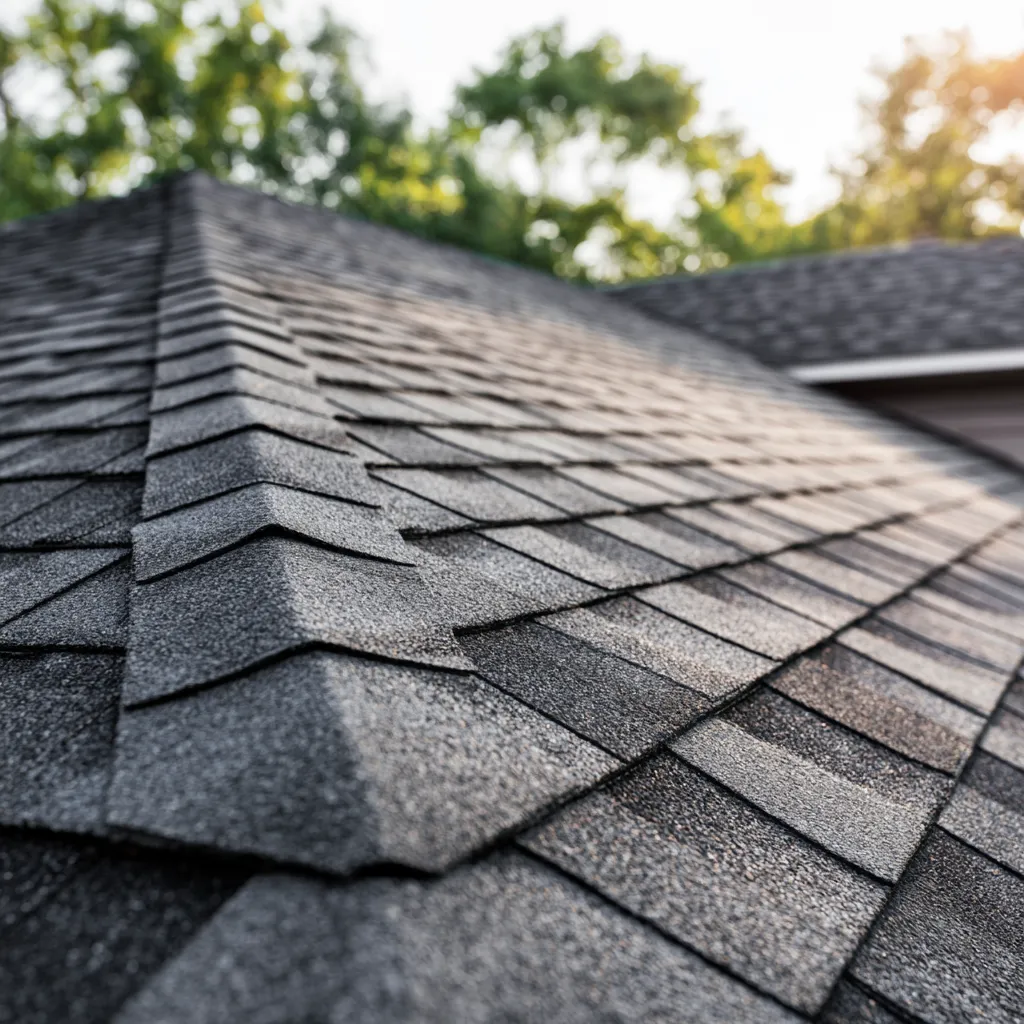
The parts that quit first on a decades-old roof
The worn details a roofer reads and sets right, one at a time.
- 01The break, not the wet mark
- A ceiling stain only shows where water landed, never where it slipped in, so the actual opening is tracked down and closed. That gap is the whole difference between a mend that lasts and one weeping again by the next storm.
- 02Vent collars gone hard and cracked
- The rubber ring around a plumbing vent dries out and splits after a handful of Texas summers, and on a decades-old roof it is often long overdue, a low-cost piece that lets water in directly.
- 03Flashing on a roof built to older code
- The metal tucked in where a chimney, sidewall, or skylight meets the deck is the usual way water gets past the shingles, and on older Euless builds it is frequently the original run, so a roofer reseals or replaces it rather than smearing caulk across the gap.
- 04Matching shingles that may be discontinued
- On a roof this age the exact shingle can be out of production, so a roofer sources the closest match and blends the repair into the sound field, and tells you plainly when a seamless match is no longer possible.
Not sure which detail is failing up there? If a hail day is the likely culprit, the storm damage guide covers getting it on record while the loss date is still clean.
Traced, priced, then a clear repair-or-replace call
Find the break, put the number on paper, close the cause, and hear plainly whether it earns its years.
Tracing the water to its break
The trail begins at the damp mark inside. A roofer follows it back up the roof to the real point of entry, a cracked collar, a loosened flashing joint, a worn-through valley, and captures it on camera, so nothing about the fix rests on a hunch.
The number on paper, and the clear call
Before a shingle is lifted, the scope and the price go down in writing with your sign-off, and on an older roof a roofer says plainly whether this is a repair worth making or the moment to plan a replacement instead.
Proof the mend holds
A roofer runs water over the finished repair to confirm it stays sealed, gives you a frank word on how the rest of the roof is wearing, and files the completed job with its photos in a record that stays yours.
The warning signs an aging roof gives off
Catch these before a small repair grows into a tear-off.
- A sag between the rafters, or a spongy patch underfoot on the decking
- A brown patch on the ceiling that spreads or darkens a day or two after a Tarrant County rain
- A bruised, soft-feeling run of shingles where the last hail sat
- A plumbing boot gone hard and split, easy to spot from the yard
- Bald, gritless streaks on the shingles and grit piling in the gutters as an old surface thins
Spot any of these on an older roof and it pays to look before the wear widens. If the roof is far enough along, the sensible next step may be pricing a replacement rather than another patch.
Repair, or stop paying to defer a replacement?
Set against a full tear-off, a single repair barely registers on the bill, and on a roof with real years left the logic is simple: spend a little now to win back the life the covering still holds.
A cracked collar sits at the low end, a length of dead flashing or a rebuilt valley climbs from there, and once the wear runs slope to slope the math tips toward replacement. The cost guide walks the replacement ranges across Euless.
See clear cost ranges- A leak that traces to one part is repair work, not grounds to redo the roof
- A split collar runs cheap; dead flashing or a rebuilt valley costs more
- Wear penned to one area mends well; wear on every slope points to replacement
- Past a certain age, another patch only defers the tear-off it stands in for
What actually fails on a forty-year Euless roof
On a mature Euless roof, most repairs trace to a single failed spot, not the whole field: a cracked collar, loosened flashing, a valley opened by hail and years of sun.
Much of the housing here is old, raised 1960s to 90s across Central Euless and Bear Creek, so a lone part fails while the field holds. A local roofer gives you the straight read on whether yours is one clean repair or a roof that is plainly spent.
- 01Hardware and seals age out first
- On a decades-old roof the collars, flashing, and valleys give up before the shingles, which is what a repair is for.
- 02Age narrows the margin
- Texas sun and Tarrant County hail leave an older field with less to give, so an early fault stays a mend.
Torn between one more repair and a full replacement? On an older roof that call only comes once a roofer gets eyes and a lens on it, well before any figure is quoted.
Repair questions from Euless homeowners
What owners of older homes ask before booking the visit.
Q1My roof is from the 1980s. Is it even worth repairing?
Q2Can a roofer match shingles on a thirty-year-old roof?
Q3There might be two layers up there. Does that change the repair?
Q4Is there a warranty on a roof repair?
Q5After I reach out, how soon can the repair happen?
Q6From the driveway the shingles look fine. How is it leaking?
One traced leak, one honest call
Say what the roof is doing, and a local roofer follows the leak back to where it truly starts, walks the photos through with you, and on an older roof puts the clear repair-or-replace call in writing. Nothing is pushed on you.