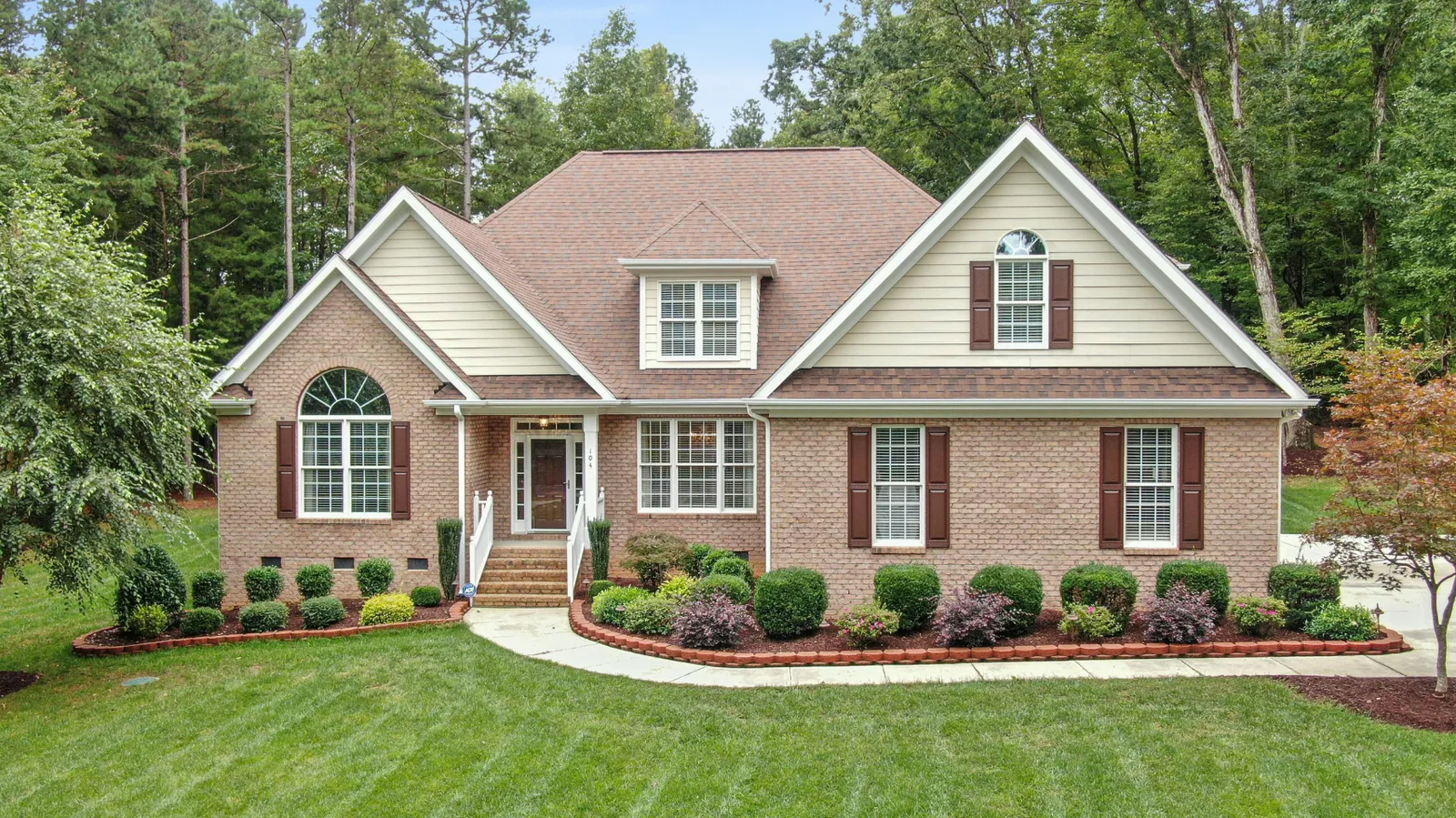
Chimney & Flashing Repair in Euless, TX
Flashing is the metal that seals a roof where it meets a wall, chimney, or valley. On older Euless homes it is often the oldest part up top, and a common way water gets in.
- The scope and cost written down first
- Claim paperwork explained in plain English
- No sales pitch at the door
Call (817) 318-7069
When the leak is the metal, not the shingles
A stain by the chimney or a wall usually is not the shingles. The trouble is the flashing, the metal in the joint where a roof meets a chimney, wall, or valley.
Old flashing loosens as the deck moves, its sealant dries, and rust works through. A local roofer swaps in new metal and a fresh watertight seal rather than smearing caulk across the opening, because caulk buys a season, new flashing buys years. If the leak has run a while, a roof leak repair traces how far it went; a free inspection puts the roof on record.
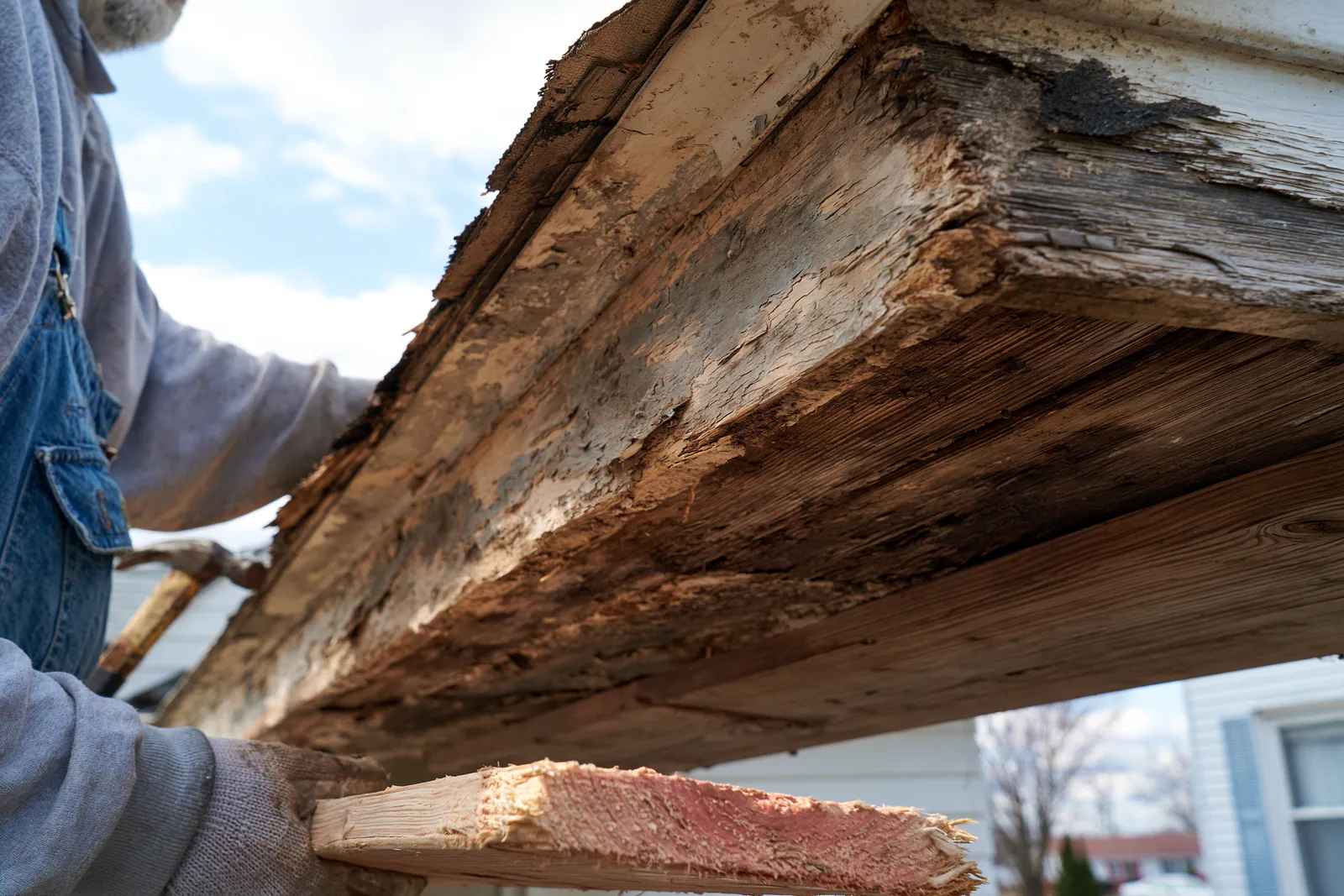
Where flashing tends to fail on an older roof
The joints where the metal wears out first, each read before anything is sealed.
- 01Chimney flashing
- The metal wrapping the base of the chimney, where roof meets masonry, takes water on every side and rusts or pulls loose here first, one of the most common leaks on an older Euless home.
- 02Sidewall and step flashing
- Where a slope runs up against a wall, small overlapping metal pieces called step flashing shed the water course by course, and once they loosen or corrode, water tracks straight down behind the siding.
- 03Valley flashing
- The metal lining the channel where two slopes drain together carries the roof's heaviest flow, so a thin or aged valley is a natural place for water to get under the shingles.
- 04Vent and skylight flashing
- The collars and metal skirts sealing pipes, vents, and skylights dry out and crack in the Texas sun, opening a gap around the very things that punch through the roof surface.
Not sure which joint is the culprit? A documented inspection reads every flashing point and leaves you dated photos, so the repair is decided on what is actually up there.
Read the joint, rebuild it, seal it right
Read the flashing, replace or reset it, and finish it watertight, each step on your file.
Read the failing joint
A roofer inspects the flashing where the leak shows, the chimney base, a sidewall, or a valley, and photographs how the metal has loosened, rusted, or lost its seal, so the fix answers the actual failure.
New metal, not more caulk
Where the flashing is spent, a roofer removes it and sets fresh metal with proper underlayment beneath, priced in writing first, so the joint sheds water by design instead of leaning on a bead of sealant.
Sealed and checked for dry
The rebuilt joint is sealed and tested against water, and with a roofer already up top, you get a clear word on how the surrounding shingles and the other flashings are holding.
Is the flashing what is letting water in?
The tells that point to a failed joint rather than a worn shingle field.
- A ceiling or wall stain that shows up next to the chimney or where a wall meets the roof
- Rust streaks or a chalky, lifting seal on the metal around the chimney base
- Daylight or a damp patch in the attic beside the chimney chase or a sidewall
- Flashing you can see from the yard that has pulled up, bent, or separated from the wall
- A leak that returns after someone already caulked the same spot more than once
Any of these points to the metal, not the shingles. Catching it before the water rots the decking behind the wall is what keeps the repair small. If it is actively leaking, take pictures before anything else, then get a tarp on; temporary protection is something carriers require and repay.
What a flashing repair usually runs
Against a full roof, reflashing a joint is a modest bill, and where it lands depends on the joint and its reach. Resealing a short run of sidewall flashing sits at the low end. Rebuilding the metal around a full chimney, or relining a long valley, climbs from there.
If water has already worked into the decking behind the wall, replacing that wood adds to the total, which is the plain reason to close a flashing leak early. A roofer names the figure only after reading the joint, and the roof replacement cost guide covers the ranges if the whole roof turns out to be due.
See clear cost ranges- Resealing a short sidewall run is the low-cost end
- New chimney flashing or a relined valley costs more
- Rotted decking found behind the wall adds to the total
- The number is set once a roofer reads the joint, not before
Why older Euless flashing gives out
Around Central Euless and the other 1960s to 1980s pockets, the flashing rarely got the same attention as the shingles at the last re-roof. Metal that old loosens, its sealant hardens, and low spots corrode until the joint fails.
That is why a mature-roof leak so often traces to a joint, and one rebuilt joint keeps a roof dry. A local roofer tells you plainly whether new flashing solves it or the roof itself is near its end.
- 01The oldest metal on the roof
- On homes built decades ago the flashing is as old as the house, so it fails before the shingles.
- 02Movement and sun work the seal
- A shifting deck loosens the metal while Texas heat cracks the sealant, opening a gap that widens with every Tarrant County storm.
Wondering if it is only the flashing or the whole roof? Getting a straight answer means reading the joints against the shingle field before anyone talks about a full replacement.
Chimney and flashing questions from Euless owners
What homeowners ask when the leak is near a chimney or wall.
Q1The roofer keeps caulking my chimney and it still leaks. Why?
Q2Can flashing be repaired without replacing my whole roof?
Q3My shingles look fine but I have a leak near the wall. How?
Q4Does new flashing come with any warranty?
Q5How long should new chimney flashing last?
Q6Could a storm have damaged my flashing?
Stop a flashing leak at the joint
A caulked-over flashing leak only comes back with the next storm. Describe what you are seeing near the chimney or wall, and a local roofer reads the joint, shows you the photos, and puts one honest price on paper, reseal or replace. Nothing you are pushed to sign.