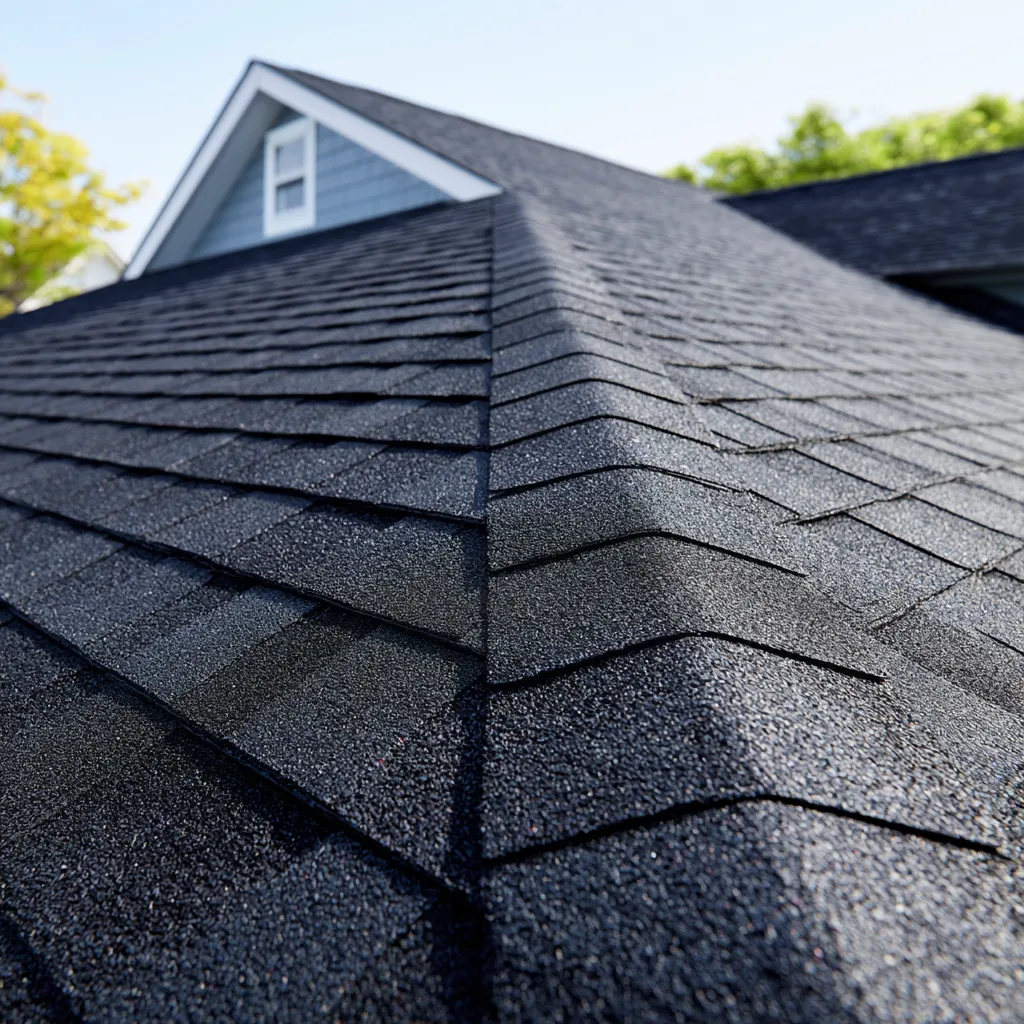
A Class 4 shingle is the toughest impact rating an asphalt shingle can earn, tested by dropping a two-inch steel ball on it in a lab to see whether the mat cracks. In a place like Euless, where 2.75 inch hail crossed the entire HEB corridor on a single afternoon in May 2024, that kind of toughness is easy to want. The harder question is whether it is worth paying extra for. The honest answer comes down to two numbers: what the upgrade adds to the roof today, and what many Texas insurers take off your premium every year for having it. Line those two up against how long you plan to stay, and the decision tends to make itself. Here is how that math usually runs on a Euless home, and where a Class 4 roof does and does not earn the difference. If you are still weighing shingle options in general, the shingle guide lays out the tiers plainly.
What a Class 4 rating actually buys you
Class 4 is the top rung of the industry impact scale, the industry test that drops a steel ball on a shingle and grades how well it resists cracking. To reach it, a Class 4 asphalt shingle is built thicker or with a modified, rubberized mat that flexes under a hit instead of shattering. In plain terms, it takes a hail strike and is far less likely to bruise through to the layer that leaks.
What it is not is a hail-proof roof. A big enough stone can still mark any shingle, and a Class 4 roof that took a hard storm still deserves a look. What the rating buys is margin: fewer bruises from a given storm, and more of them shrugged off entirely, which on a Euless roof in an active hail stretch usually means a longer life between replacements.
The insurance discount most homeowners are really after
The bigger draw for most people is not on the roof; it is on the insurance bill. Many Texas carriers offer a premium discount for a roof covered in impact-rated shingles, because a tougher roof files fewer and smaller hail claims. The credit is usually applied to the wind and hail portion of the premium and shows up every year the roof is on the house, not just once.
How much it saves varies, and honesty matters here: the exact discount is set by your carrier, not by the shingle, and some offer a generous credit while others offer little or none. To claim it you typically hand your insurer the manufacturer's certificate showing the roof is Class 4 rated. Before you upgrade for the discount alone, it is worth a direct call to your carrier, and a look at how a roof claim is documented, so the credit is real rather than assumed.
The upfront cost, and how long it takes to earn back
A Class 4 asphalt roof costs a step above standard architectural shingles, priced when a roofer measures the roof, not a fixed premium you can look up. The payback comes from two directions at once: the annual insurance credit stacking up year after year, and fewer repair trips as the tougher shingle rides out storms that would bruise a standard one. On a roof you keep for a decade or more, those add up.
- The upgrade cost: a step above standard architectural asphalt, set when the roof is measured.
- The yearly credit: a discount many Texas carriers apply to the wind and hail premium each year it is on.
- The time you will stay: the longer you keep the home, the more years the discount and the durability pay back.
- The storm in play: if a claim is already funding the roof, you pay only the upgrade difference, not the whole roof.
When a claim is already paying for the roof
The math shifts hard when a storm is footing the bill. If the May 2024 hail, or a later Tarrant County storm, damaged your roof and the claim is approved, the insurer is already paying to put a roof back. In that case the Class 4 upgrade is only the difference between a standard shingle and an impact-rated one, not the price of a whole new roof, which is a much smaller number to weigh against a lifetime of discounts.
That is the moment the decision is easiest. A local roofer documents the storm damage plane by plane, you file and control the claim, and the choice in front of you narrows to a modest upgrade on a roof you were replacing anyway. The brand never files or approves the claim; a roofer simply hands you the dated scope you decide from.
So, is it worth it on a Euless roof?
For a homeowner planning to stay put in an older Euless home in the middle of hail country, the answer usually leans yes: the yearly premium credit, plus the durability through a stretch of active springs, tends to justify the step-up, especially when a claim is already covering the base roof. The roof outlives the payback and keeps saving after.
For a shorter hold, a home you expect to sell in a few years, or a rental you are keeping lean, standard architectural asphalt is often the smarter spend, since you may move on before the discount catches up to the extra cost. The real deciders are your carrier's actual credit and how long you will own the house, and a local roofer can price both paths so you compare real numbers, not a rule of thumb. If you are weighing a longer horizon still, the materials guide covers metal and other long-life options.
Thinking about a Class 4 roof for your Euless home? Share the house and your insurer with Euless Roofing Co, and a local roofer will price the standard and the impact-rated path side by side, at no cost.
Contact us Call (817) 318-7069